

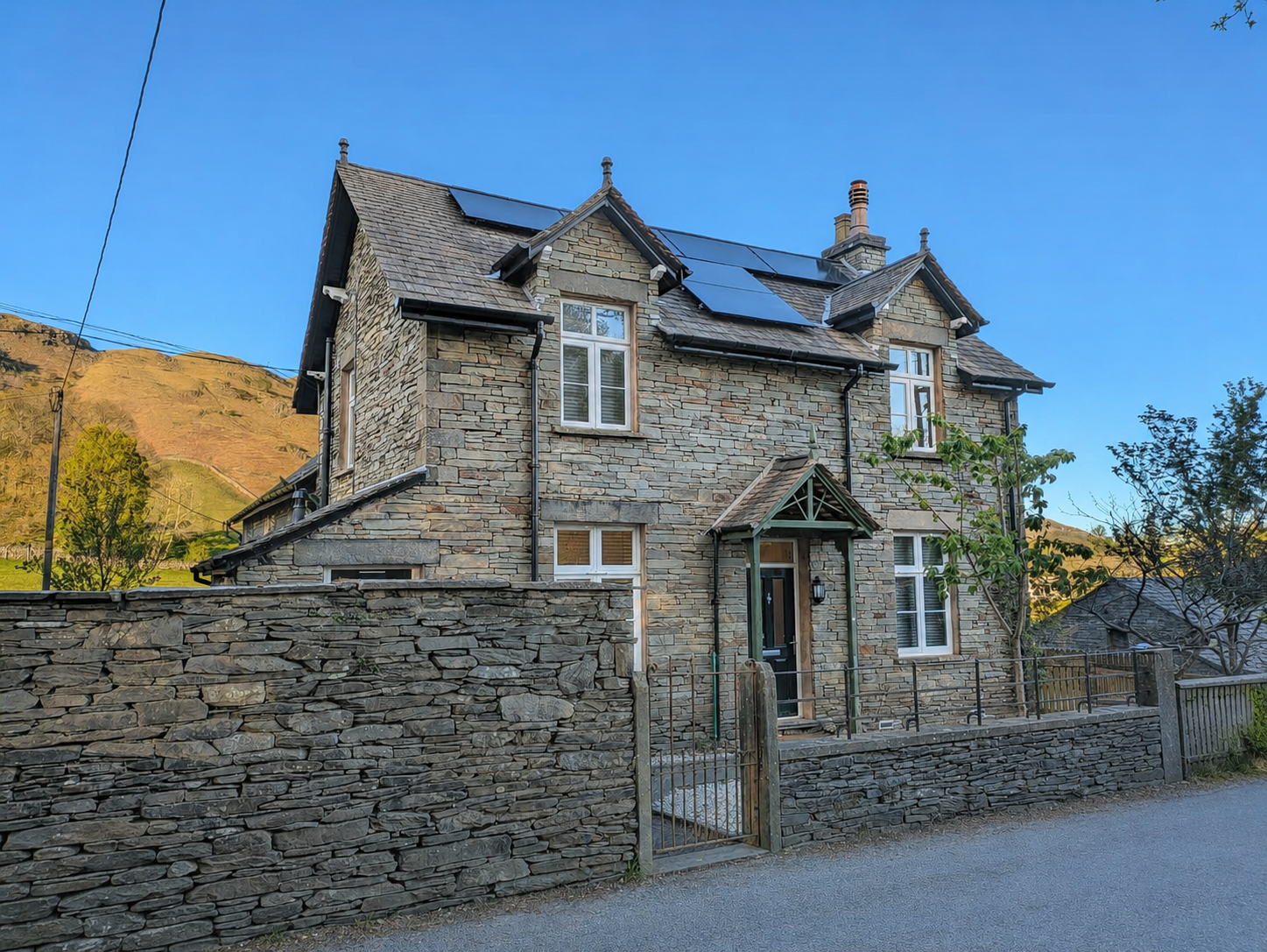
Church Hall Cottage, Cumbria
The Story
Seeing the opportunity to meet local need, the Diocese of Carlisle chose to work with local partners to bring a vacant cottage back into use as an affordable home, rather than sell it on the open market.
-
Starting point
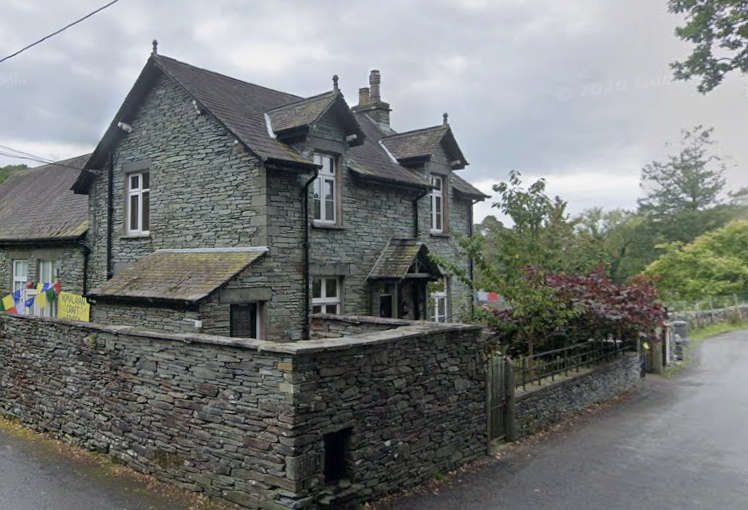
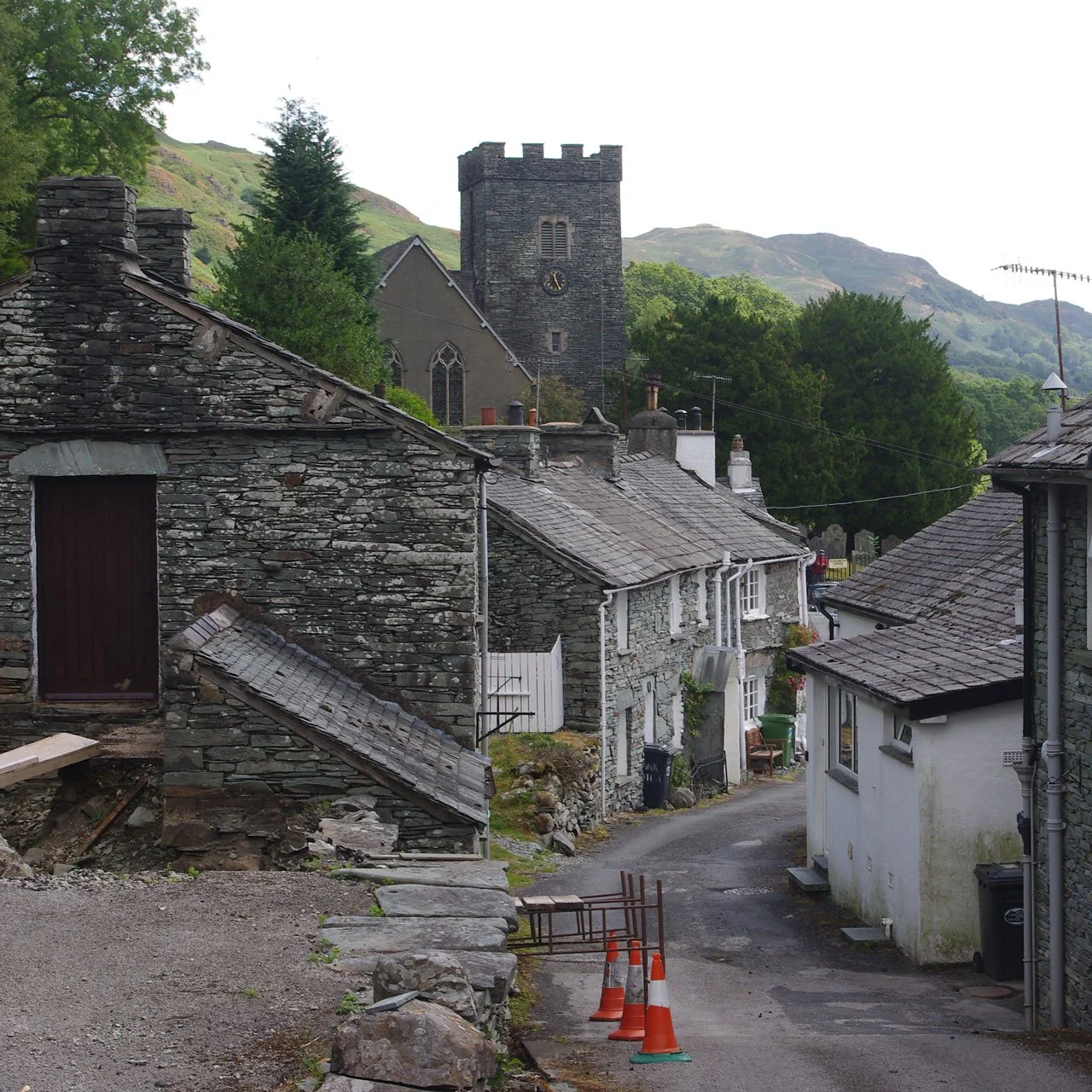
In the heart of Chapel Stile, a small village in the Lake District, Church Hall Cottage was owned by the Diocese of Carlisle. The property had been let for many years at a very low rent, but by 2011 it had fallen vacant and required substantial renovation.
At the same time, local housing pressures were severe. A community study found that 76% of homes in Chapel Stile were second homes or holiday lets, leaving very little housing available for local people. The Diocese was considering selling the cottage on the open market, but local partners argued it could instead meet an urgent community need.
-
The plan
Working with the Faith in Affordable Housing co-ordinator from Housing Justice and the Cumbria Rural Housing Trust, the Diocese explored a different route: retaining ownership of the asset while making it available as affordable housing.
Skelwith and Langdale Community Land Trust (SLCLT) was set up in late 2010 by a group of local residents concerned that expensive housing and limited opportunities to rent (due to the high number of houses used as holiday lettings) were having an impact on the viability of the community.
They stepped forward to help deliver the project. The Trust agreed terms for a 21-year lease from the diocese, enabling investment in the property while ensuring it would remain available as a permanent residence for local people.
-
The journey
With the lease in place, the Trust refurbished the cottage and brought it back into use. The house was let at an affordable rent to a resident in housing need and was managed through a letting agent, using an allocations policy written by the Trust.
By 2024, Church Hall Cottage needed further investment. Taking on responsibility for a significant and potentially complex renovation project, particularly involving a property requiring substantial upgrades to bring it to an acceptable standard of energy efficiency, was felt to be beyond the capacity of the trust at that time.
Consequently, the SLCLT trustees decided to step back from managing the Cottage, creating uncertainty about its future. They were increasingly conscious of the need to ensure a sustainable governance structure for the future. At the same time, several longstanding trustees were stepping down from their roles and the recruitment of new trustees locally proved challenging, given the size and demographic of the village community.
At this point, Carlisle Diocese’s Mitre Housing Association stepped in to offer a long-term solution. Mitre Housing Association was set up by the Carlisle Diocese in the 1980s and already owned over 20 homes in the village let at social rents. The Diocese became aware of SLCLT’s desire to step back so they approached Mitre to see if a new partnership could be formed.
A new 50-year peppercorn lease was agreed, allowing Mitre to take responsibility for the next phase of refurbishment and management, while the Diocese retained ownership.
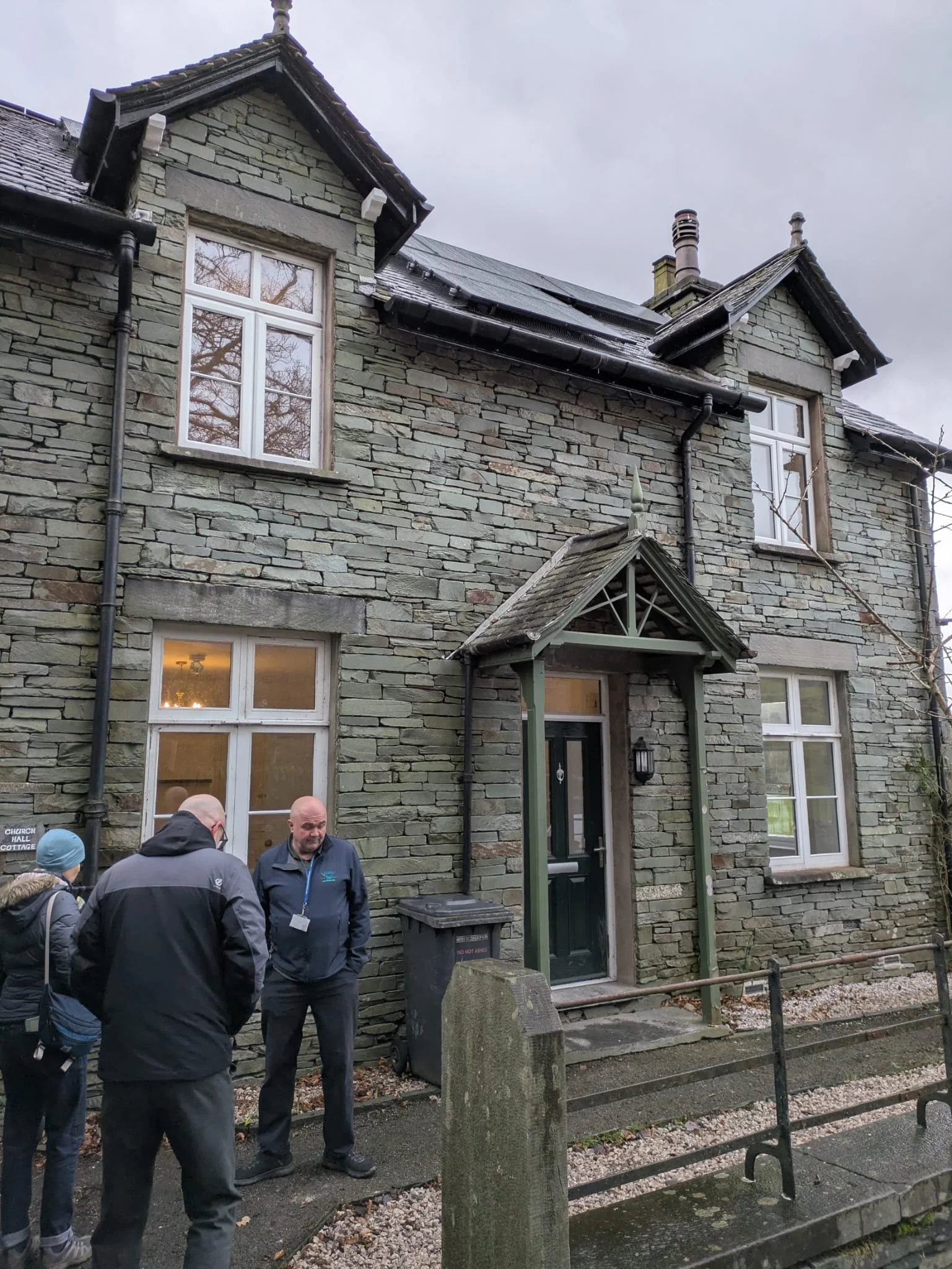
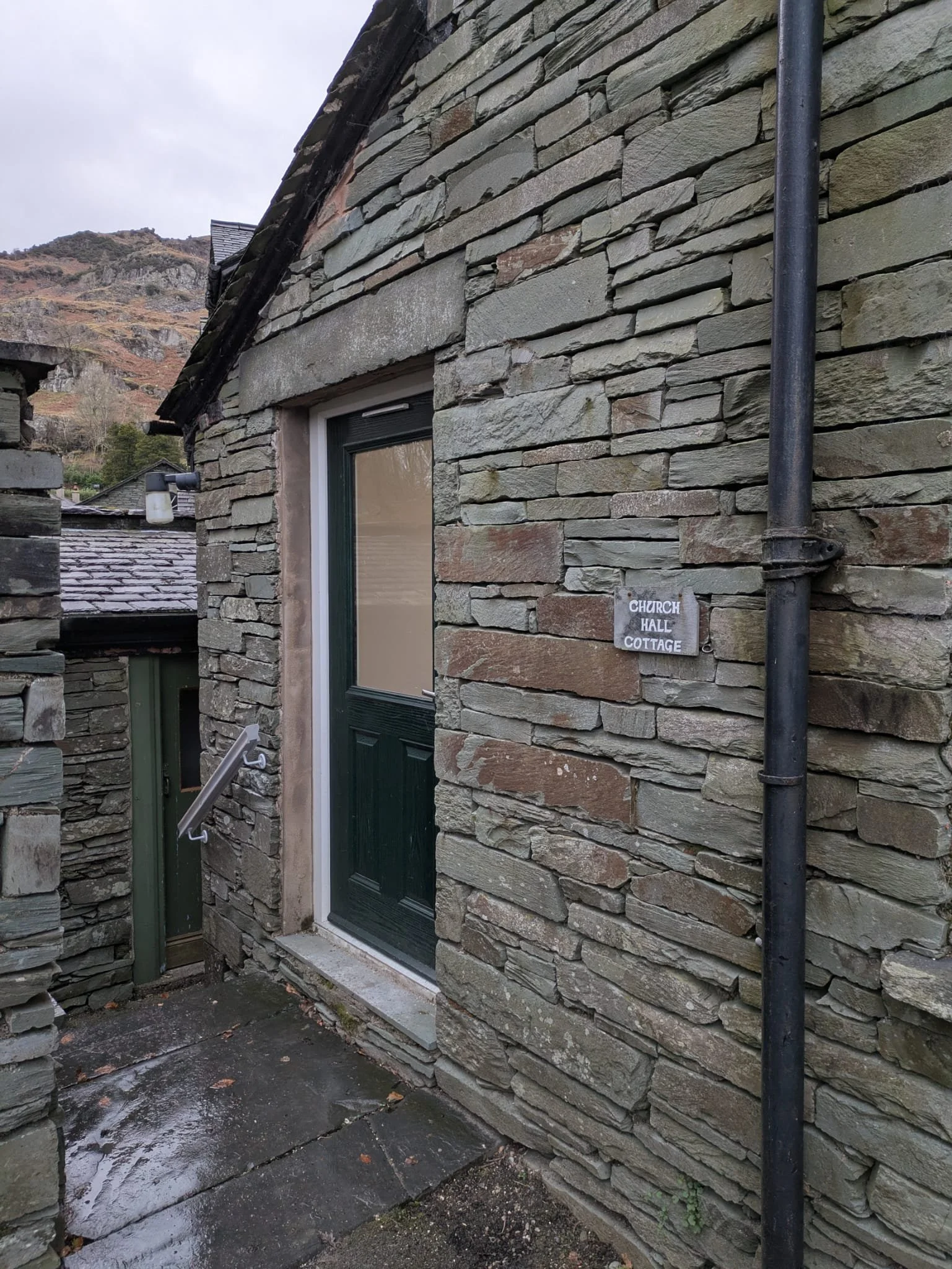
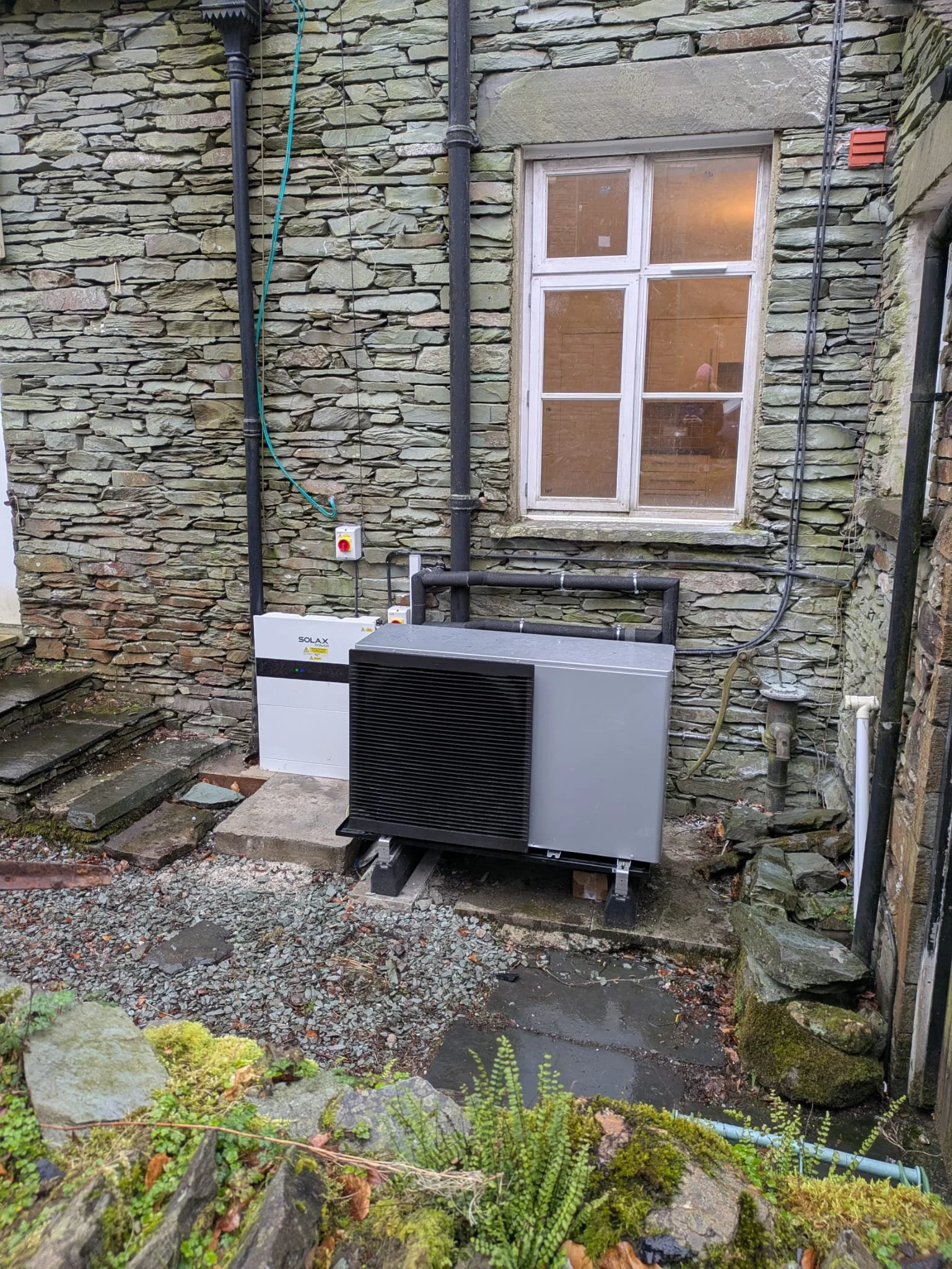
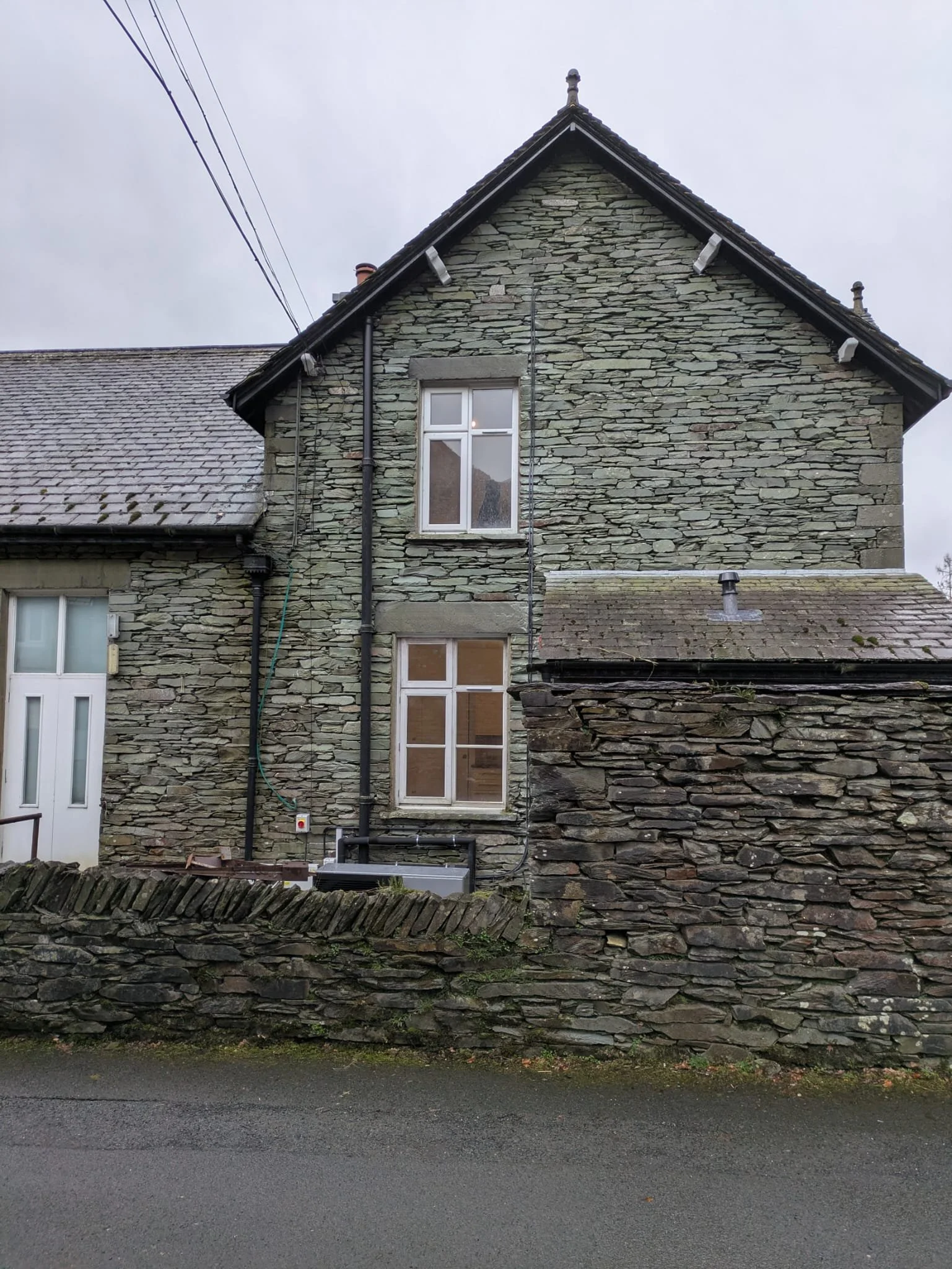
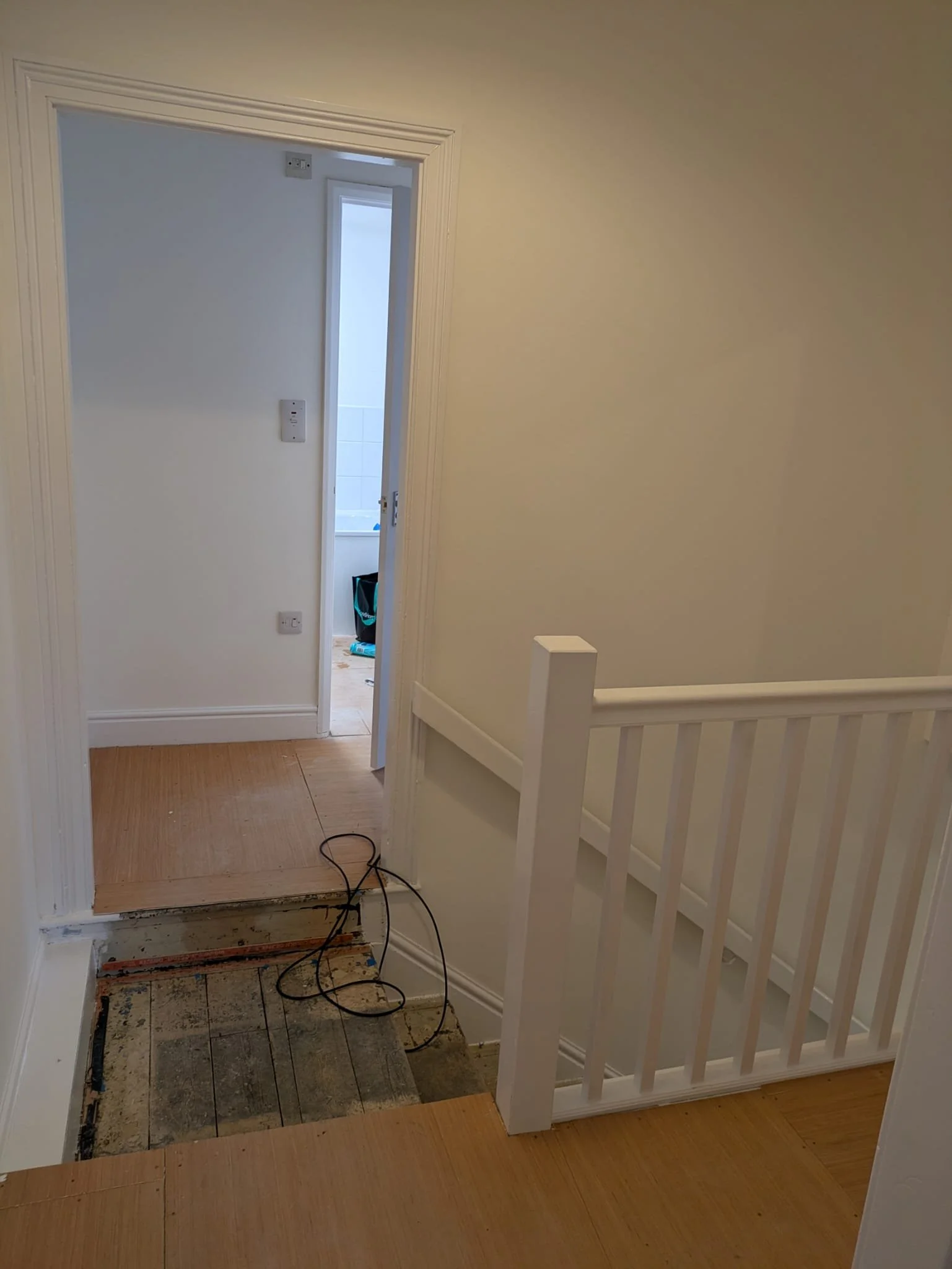
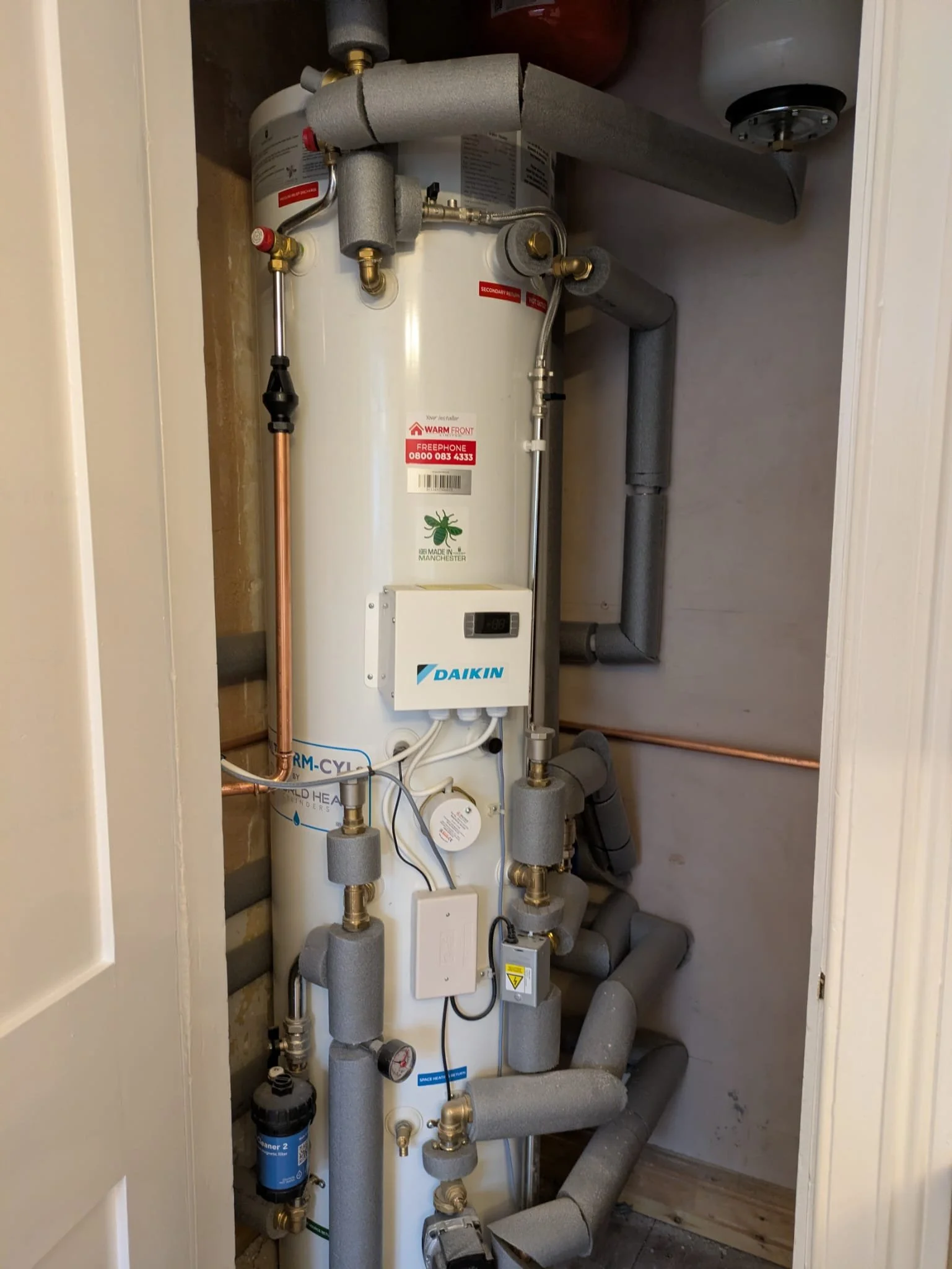
The latest works focused on improving both the condition and energy performance of the cottage. They included upgrading the insulation and building fabric, installing an air source heat pump, fitting solar panels with battery storage and taking measures to reduce heat loss throughout the property.
Although older stone buildings can be challenging to retrofit, the project successfully raised the home’s EPC rating from E to B.
(…continued below photos)
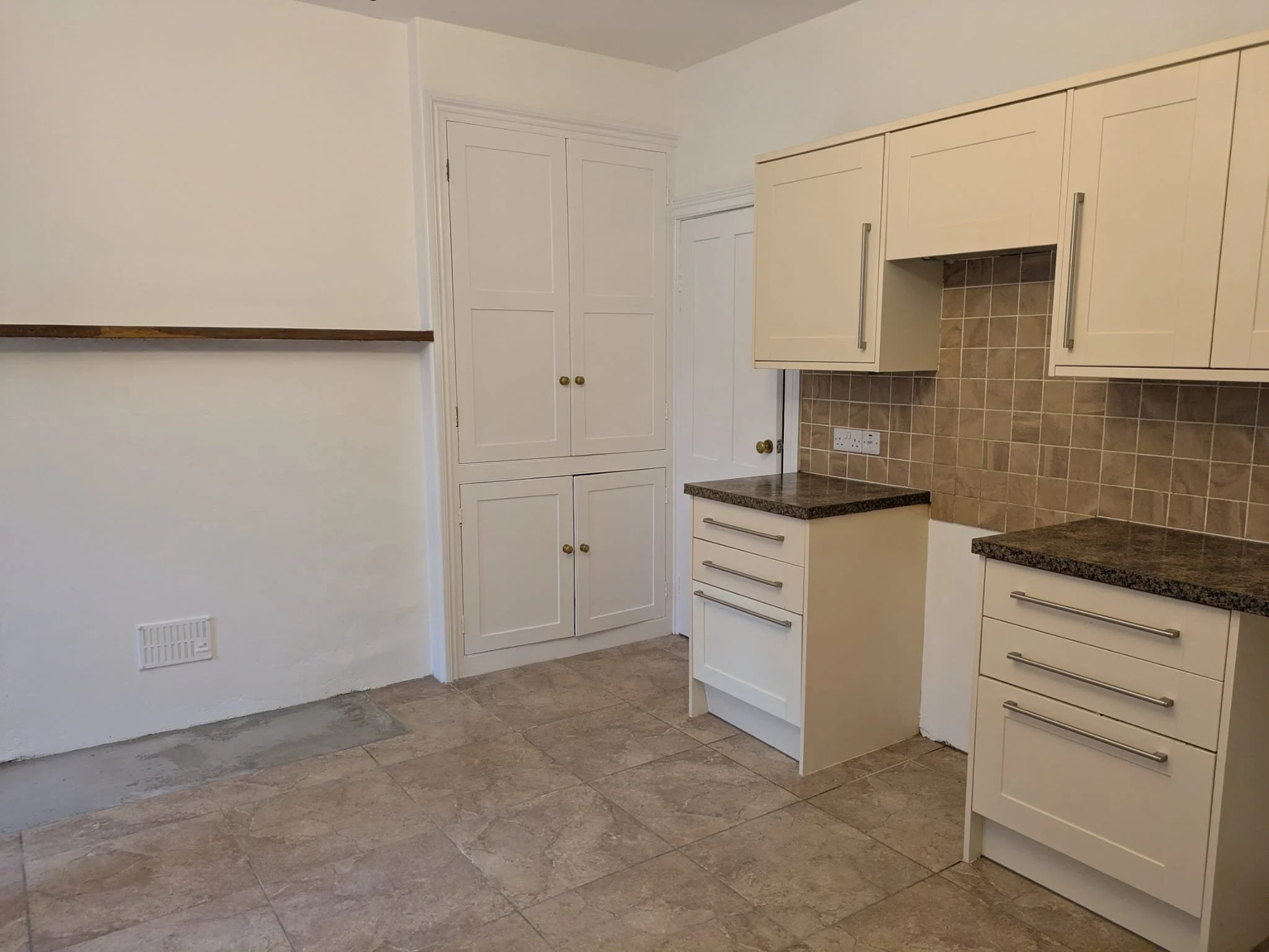
-
Resources
The original refurbishment in 2013 was funded from several sources:
· South Lakeland District Council
· the government’s Empty Homes Community Grant Programme
· the Lake District National Park Authority
The subsequent upgrade to the building by Mitre Housing Association required total works of around £70k to bring the property up to standard, including roof repairs, damp treatment and energy efficiency improvements. Around £40k was covered through grant funding (£25k from the Community Land Trust and c.£14k from the Warm Homes Social Housing Fund), with Mitre contributing the remaining c.£30k.
-
Keys to success and biggest challenges
The success of the project came from strong partnership working between the Diocese, local housing organisations and community-led partners.
Retaining church ownership while leasing the property created a practical long-term model: the Church kept the asset, the community gained an affordable home, and rental income paid for the improvements as well as ongoing management and maintenance of the property.
The biggest challenges were securing funding, managing an ageing rural property, and upgrading an older stone building to modern energy-efficiency standards.
-
Final outcomes
Church Hall Cottage is once again occupied and let at an affordable rent to a local resident, who would otherwise be priced out of the village due to high numbers of holiday homes.
Through two different chapters in the recent history of Church Hall Cottage, the project has delivered long-term benefits:
· A vacant church-owned property brought back into use
· Affordable housing secured for a local person
· Church ownership of the asset retained
· Lower running costs and improved sustainability
· A home protected for local use for decades to come
Title photo at top of this page credit: Nigel Brown, licence CC-by-SA 2.0