

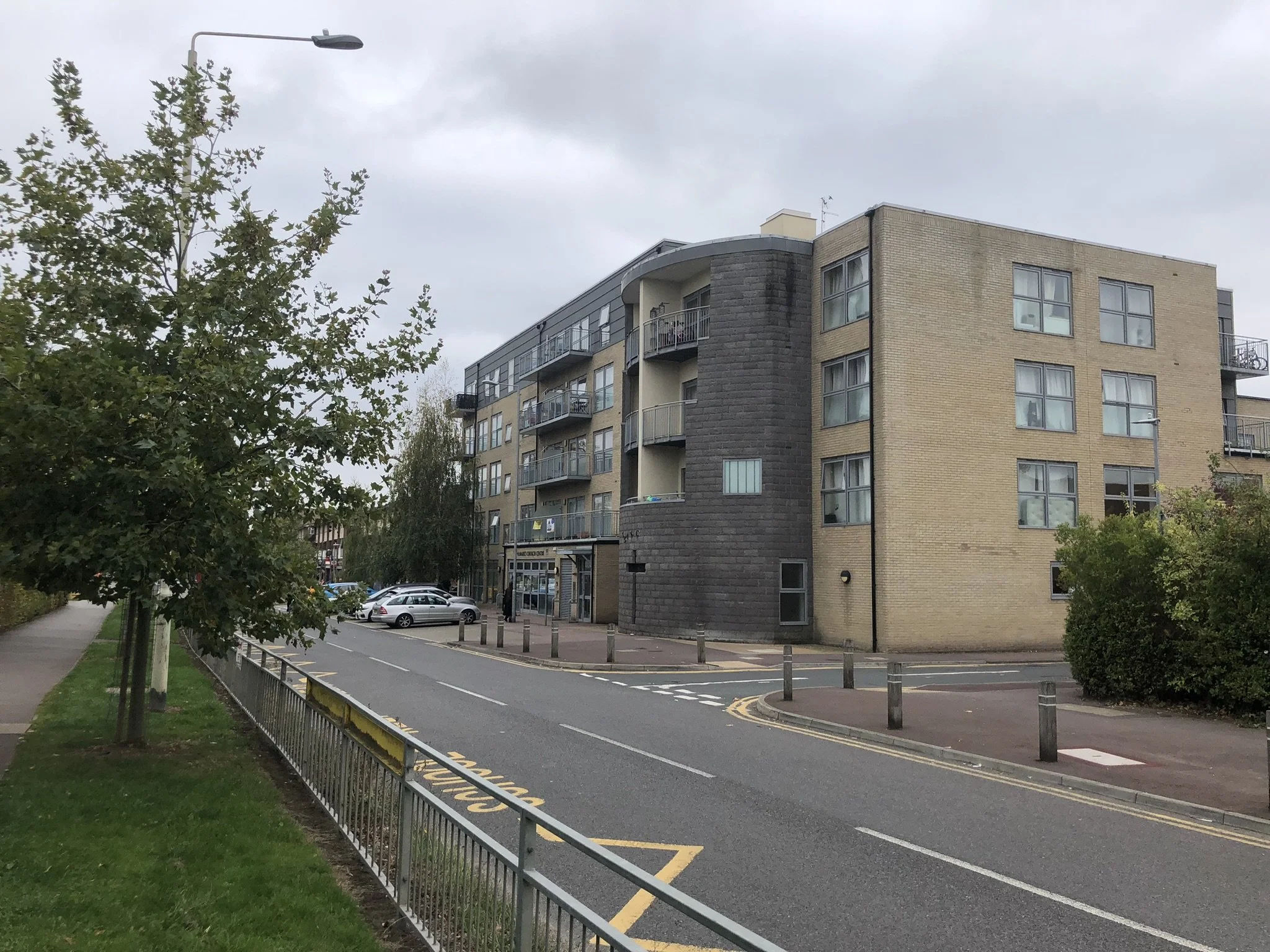
St Mark’s, Marksgate
The Story in Depth
A church in Romford built in the 1950s had a thriving community outreach, but its buildings were deteriorating and costly to maintain. Could there be a way to regenerate the whole site by delivering affordable housing?
-
Starting point
Marks Gate was a post-war housing estate in Romford, Essex, with few community amenities and in an area of high deprivation. St Mark’s was a dual-purpose church and pre-school built in 1956. Roger Gayler had been the vicar since 1975, where he acted as a local champion, developing a youth programme including scouts and chairing the governing boards for local schools. While the community outreach thrived, by the mid-2000s, the church itself was starting to age: windows and flooring were buckling, and the heating was not functioning well. Before retiring, Gayler wanted to leave the church in good repair, and could see a way to redevelop it to benefit the community and provide housing also.
-
The plan
A church consultant and development manager Paul Whitnall was brought in to help develop the plan. He introduced the developer Green Pastures, and won the support of local councillor Sam Tarry, along with the bishop, archdeacon, and diocesan secretary. The Church Urban Fund provided a grant for a feasibility report and a business plan, which was published in 2009.
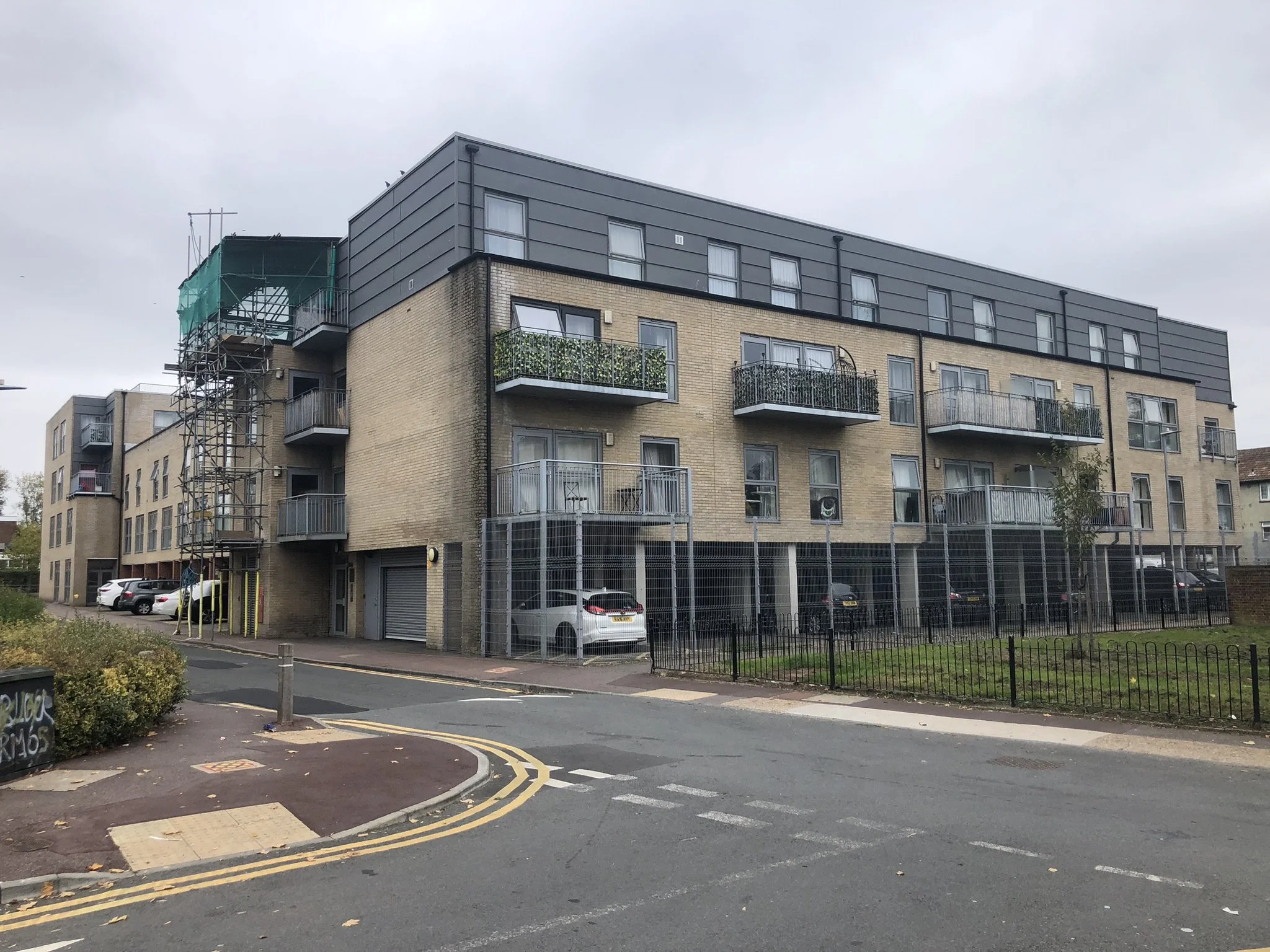
As the project emerged, the stakeholders were Green Pastures, Chelmsford Diocese, the PCC, and the London Borough of Barking and Dagenham (LBBD). Alastair Watson (project and development manager acting as client liaison for Green Pastures) met with LBBD in 2012, along with client representatives, development and project managers. Together they engineered a delivery solution that would allow each of the stakeholders to achieve their objectives. The Council agreed to forward-fund the acquisition of 56 affordable homes, and Green Pastures funded the planning, underwritten by LBBD, which gave them the confidence to invest.
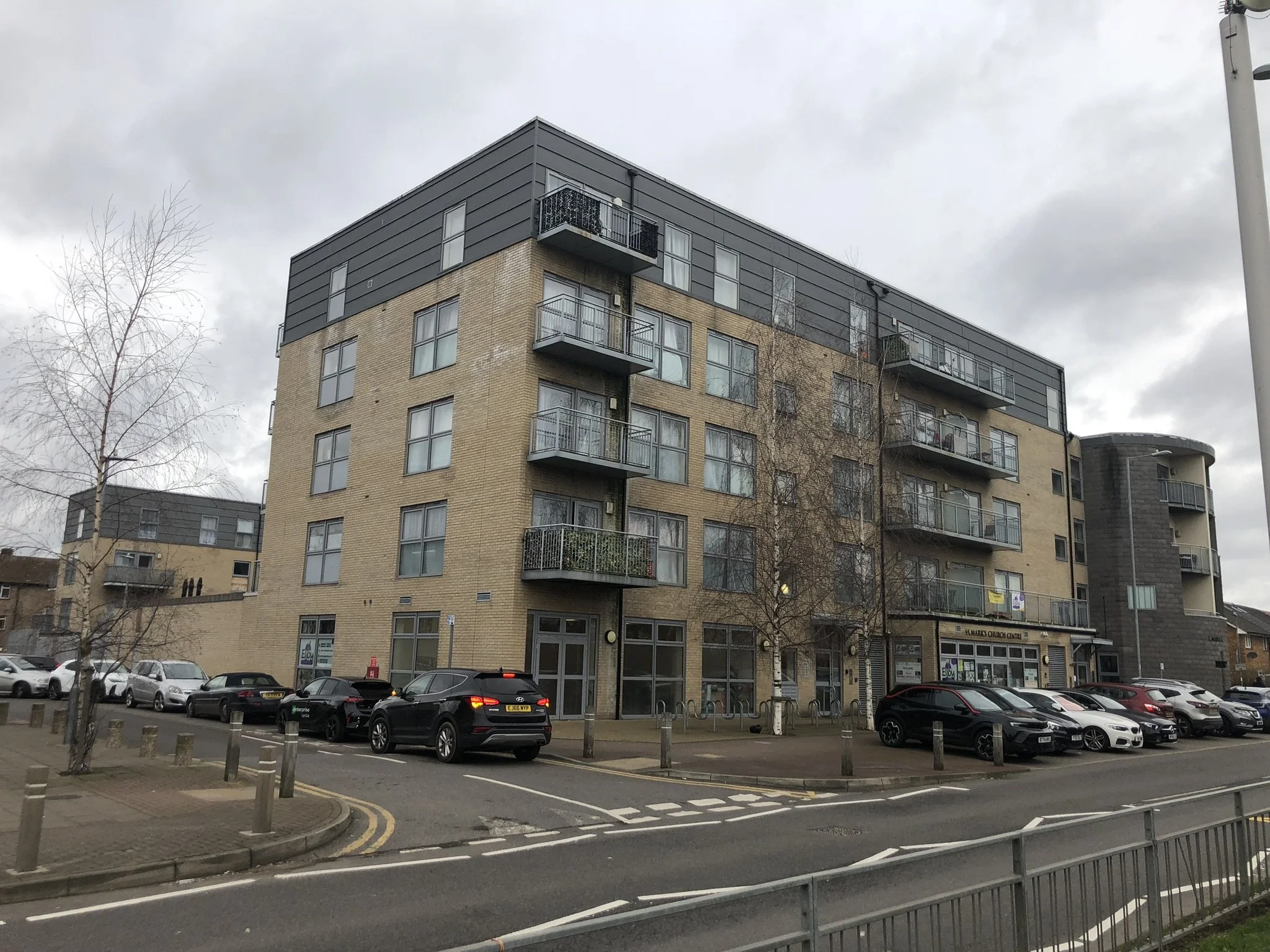
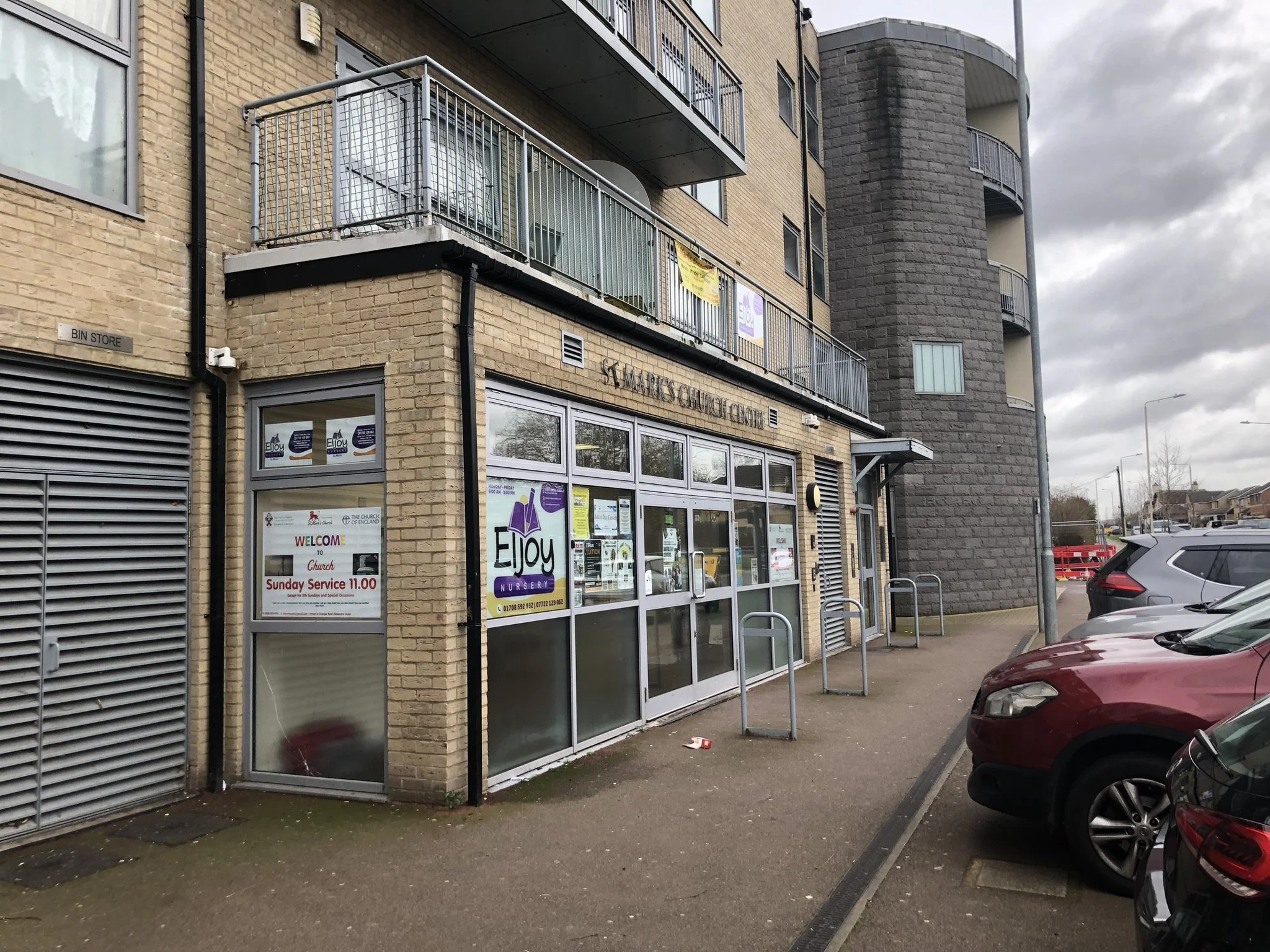
The vicar and the PCC’s Building Team assured the hirers using the space (e.g. the scouts and the pre-school) that they would create a centre which would not only meet their current requirements but surpass them. They conceptualised a church on the ground floor with flats above and around it, a community centre alongside, and a first floor that held the church office and two flats for church workers.
-
The journey
Contracts were agreed in December 2012, planning was submitted in April 2013 and consent obtained in July that year. The building contract was negotiated and work started on site in December 2013 with the demolition of the existing church and vicarage. The pre-school was decamped to a Portakabin on the green, the congregation were hosted by the very supportive local Baptist church, and the vicar went to live on a local farm. The project completed and the build was finished in the first quarter of 2016.
The freehold of St Mark’s Church, the community buildings, and the vicarage is owned by Chelmsford Diocesan Board of Finance. A 150-year lease for the entirety was sold on completion to LBBD, who then leased the worship space back to the church.
Redeveloped housing and community space
Townhouses with parking underneath
Entrance to the St Mark's community centre
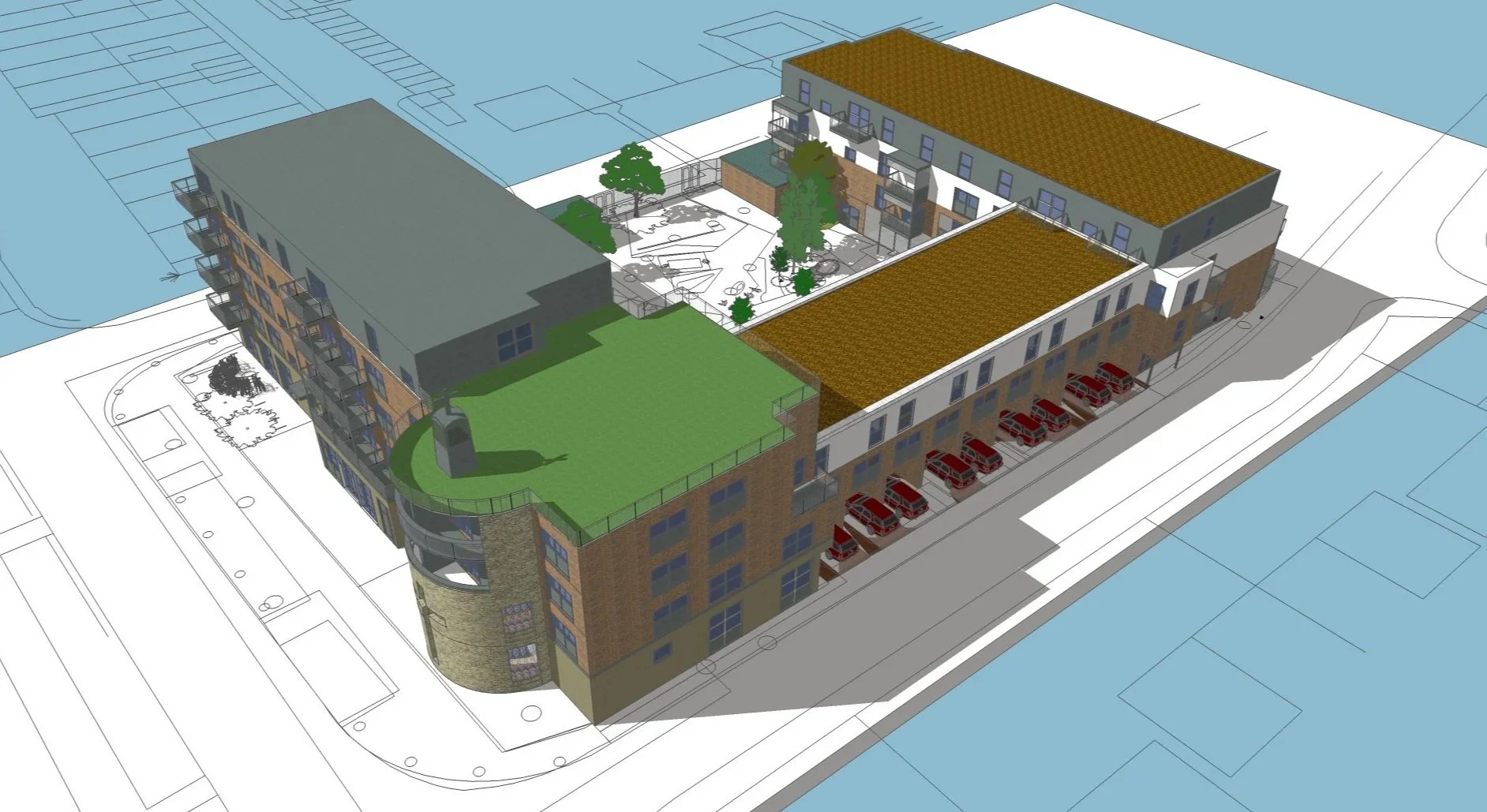
Architect's 3D modelling
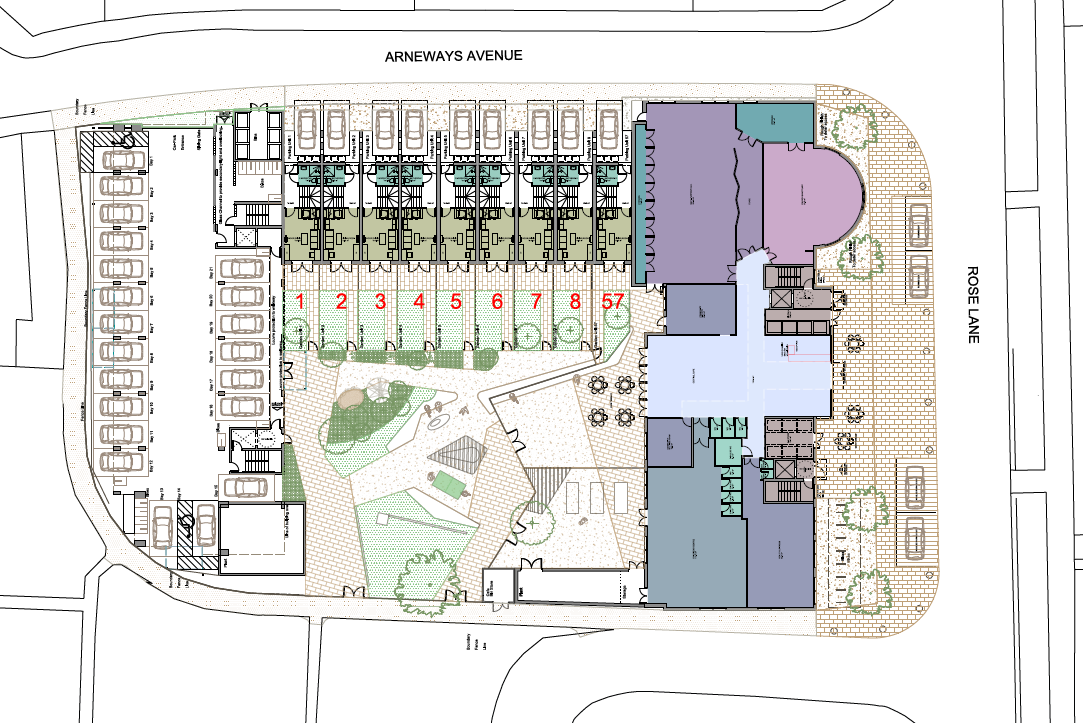
Architect's plans - ground floor
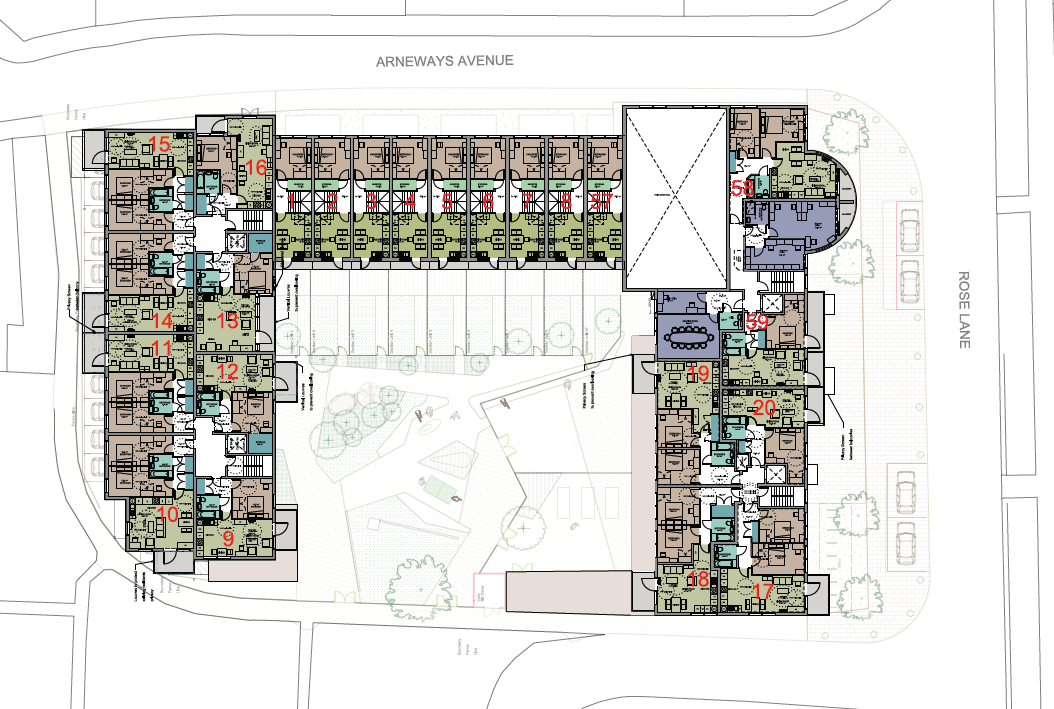
Architect's plans - first floor

Interior of the worship space
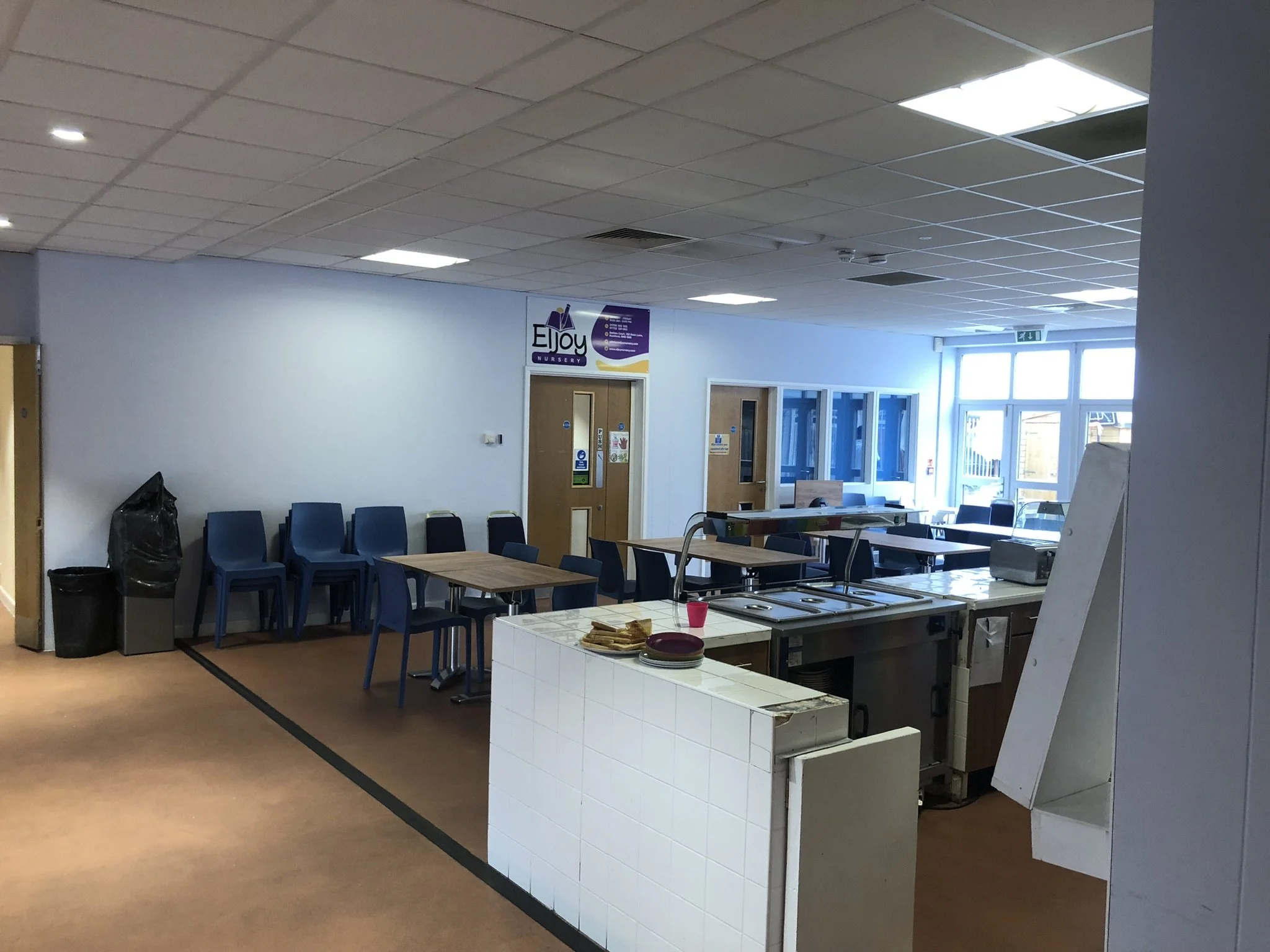
One of the community spaces

Community space available to hirers
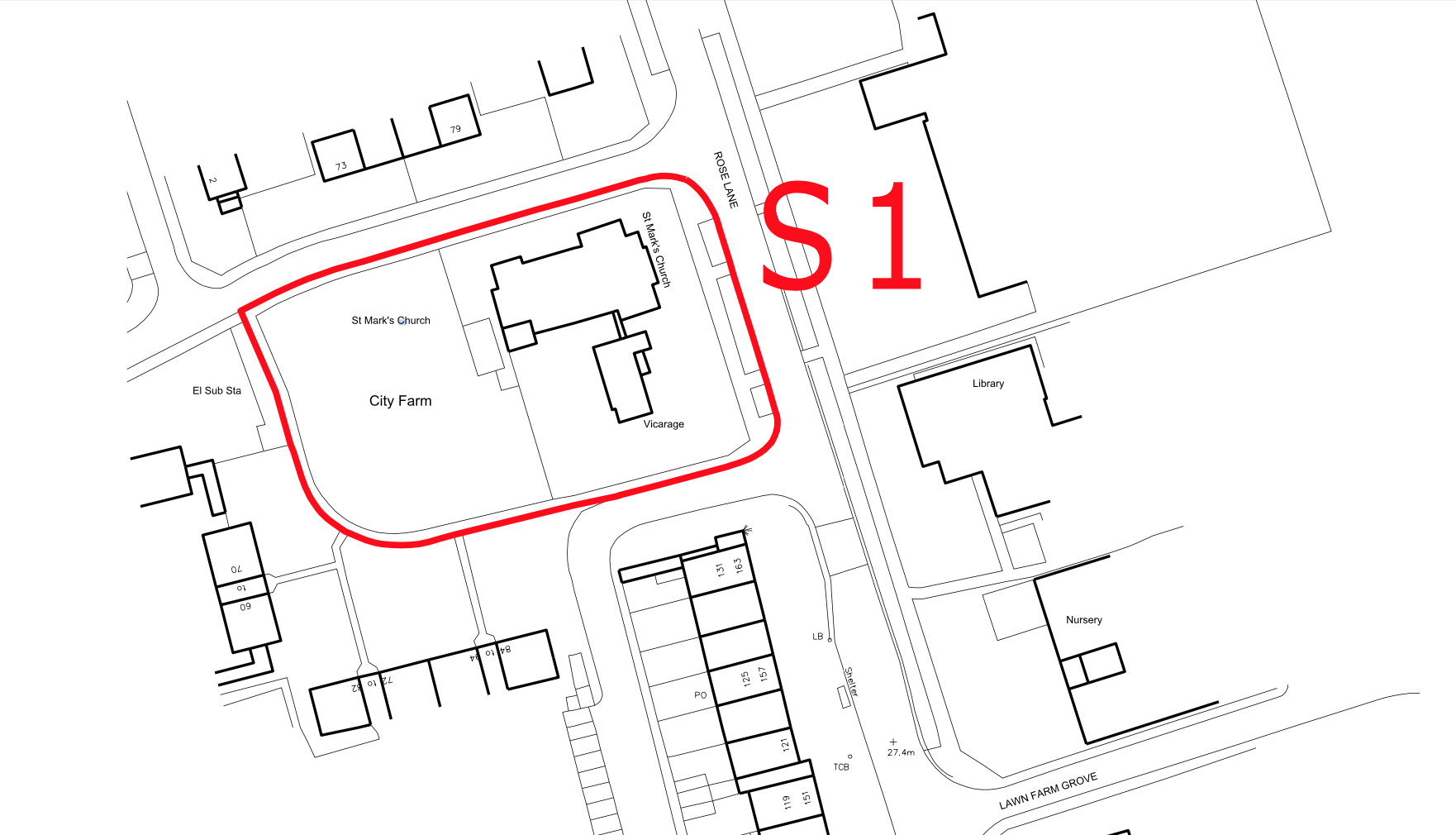
Original plan of the site
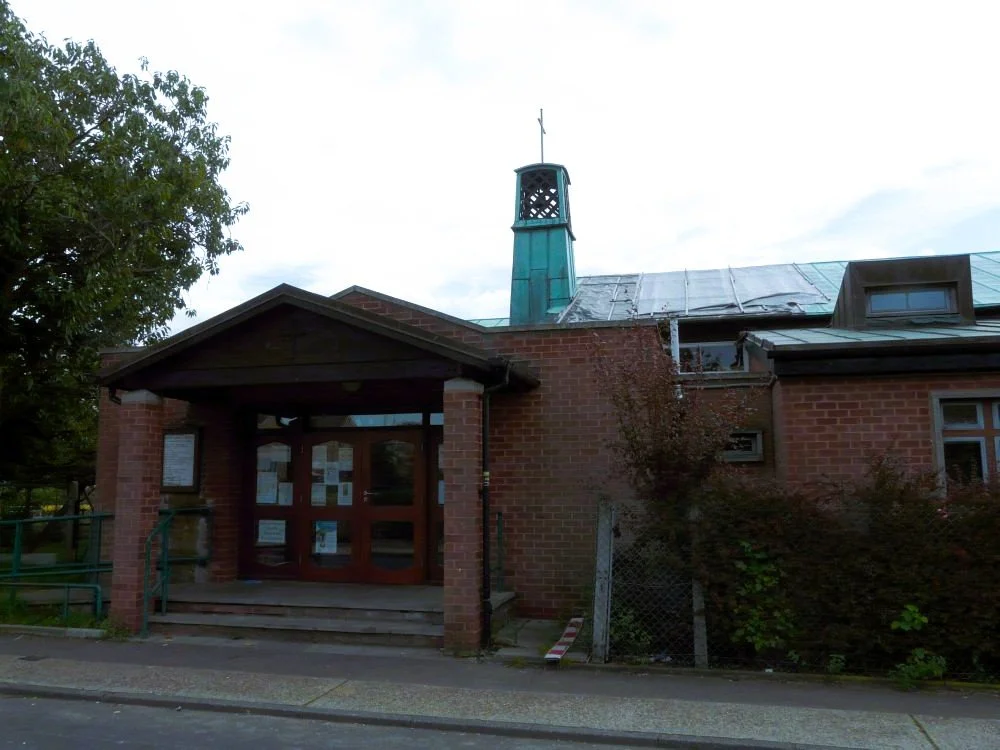
Old 1950s church building
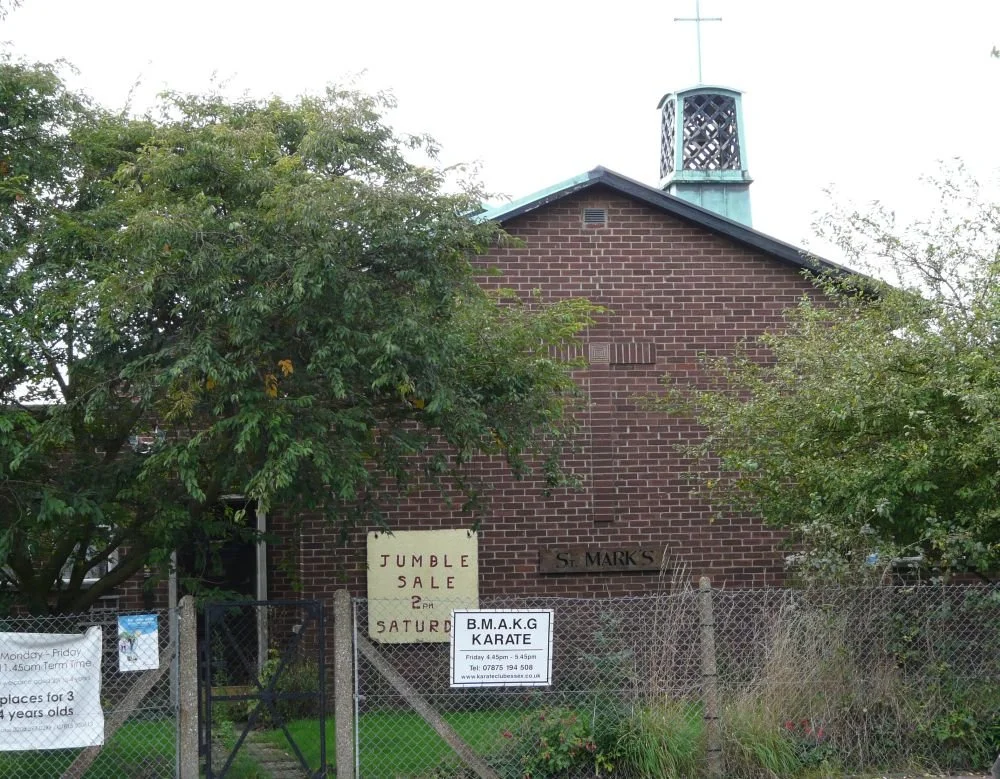
Original 1950s building before demolition
-
Resources
The assets available at the outset were the dual-purpose church building, the vicarage, and adjoining land that was used as a city farm for allotments and grazing.
LBBD purchased the leasehold for £9,450,000. The development incurred the following costs:
- Guaranteed price design & build contract: £7,994,000
- Planning fees: £276,000
- Fees post planning: £331,000
- Legal fees (for six parties): £120,000
- Temporary relocation costs: £191,000
- Contribution to LBBD for Parsonage cost: £50,000
- Cost of capital at 8%: £45,000
- Other miscellaneous expenses e.g. for fit-out items: £200,000
Total: £9,207,000
The development was granted 100% relief from the Community Infrastructure Levy on the basis that it was delivering social housing.
As the developers, Green Pastures retained the surplus from the project, in terms of money and assets (two apartments and a house). A ‘dowry’ of £180,000 was also given to St Mark’s for its ongoing project work and for fitting out the church and community facilities.
-
Keys to success and biggest challenges
The project required courage and determination from the incumbent and PCC, as there were few precedents. Green Pastures also had to be willing to take a risk on a job that differed from their existing portfolio. Another key to success was collaboration between the church and the organisations that were using the space: they all agreed something needed to be done and were happy to work together in the knowledge that their ongoing work and access would be guaranteed. All the collaborators shared a vision of building up healthy lives in body, mind, and spirit.
After the redevelopment was completed, some challenges emerged around the sharing of responsibility between LBBD and the PCC, as it was not always clear which party had oversight when it came to, for example, fire safety compliance and building repairs.
-
Final outcomes
Fifty-six households acquired an affordable new home, and a brand new community space is used continually by organisations including a nursery and a day centre for adults with learning disabilities. The church itself is attractive and inviting, even if its visual presence is somewhat dwarfed by the residential areas and community centre. It is one room in the heart of a larger complex rather than its central focus. Though the worship space itself is small, the whole complex embodies a more holistic form of mission: serving, sheltering, and empowering the community.
For further information on this case study, contact The Church Land Trust on theclt2021@gmail.com.
Image credits: Old church buildings - Andrew at londonchurchbuildings.com