

St Thomas’, Lancaster
The Story in Depth
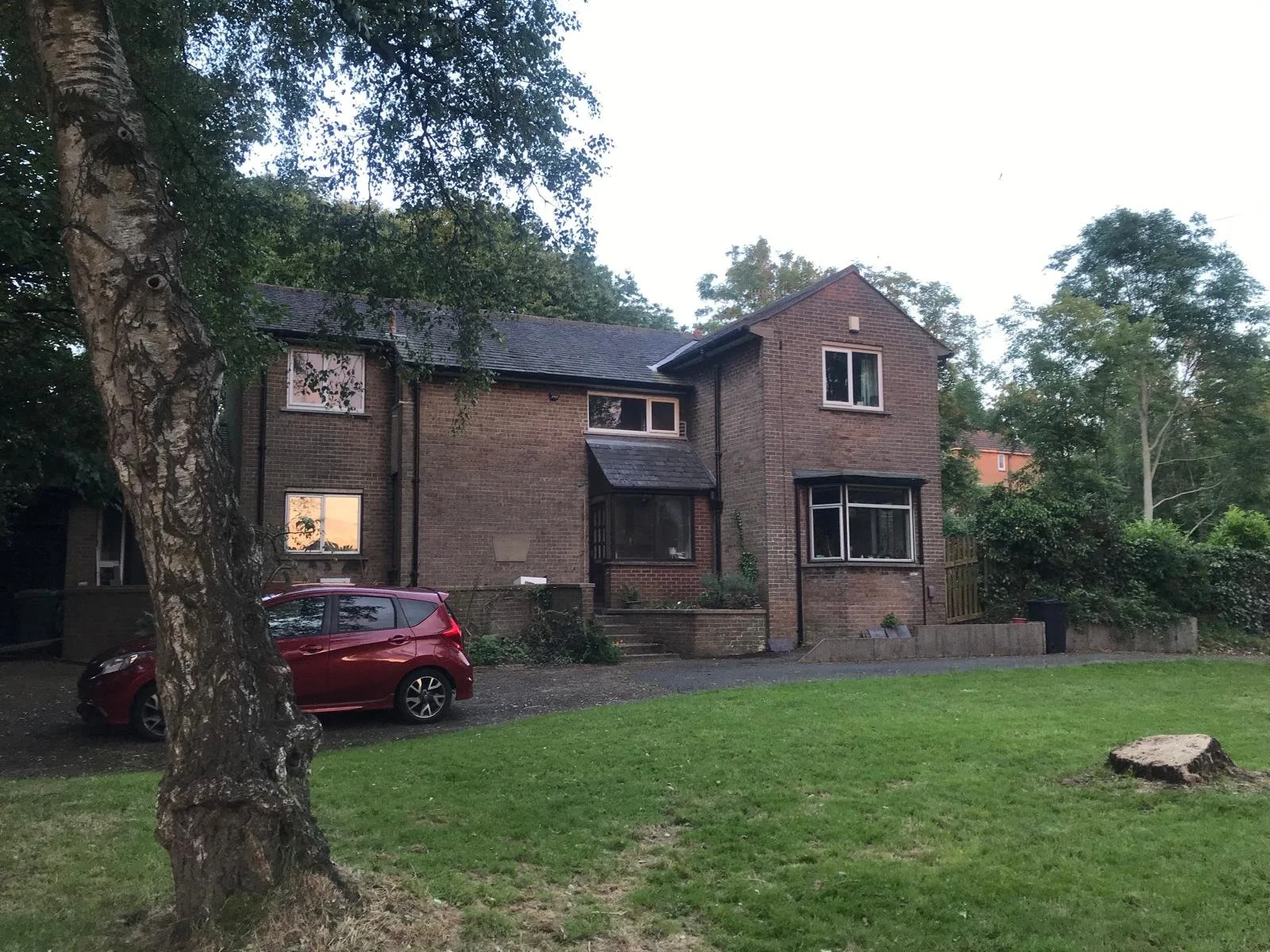
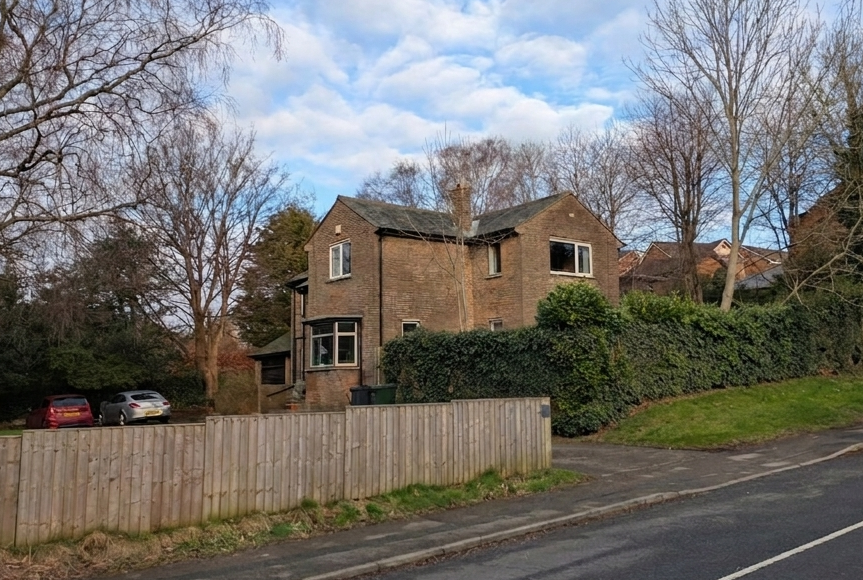
A surplus vicarage was bought by members of St Thomas’ Church, Lancaster, and turned into a transitional home with live-in hosts for four refugees who have been granted leave to remain in the UK.
-
Starting point
Members of St Thomas’ Church, Lancaster identified a growing local need for housing for refugees who had been granted asylum but were required to leave Home Office accommodation with little notice and few housing options. At the same time, the large former St Luke’s vicarage owned by Blackburn diocese in Skerton, Lancaster had become surplus to requirements.
Rather than selling the building on the open market, the church saw an opportunity to bring it back into use for mission and community benefit.
-
The plan
Members of St Thomas’ established a CIO to take the project forward, purchasing the former vicarage from the diocese, which took a pragmatic approach to best-value requirements under charity law in recognition of the project’s social purpose.
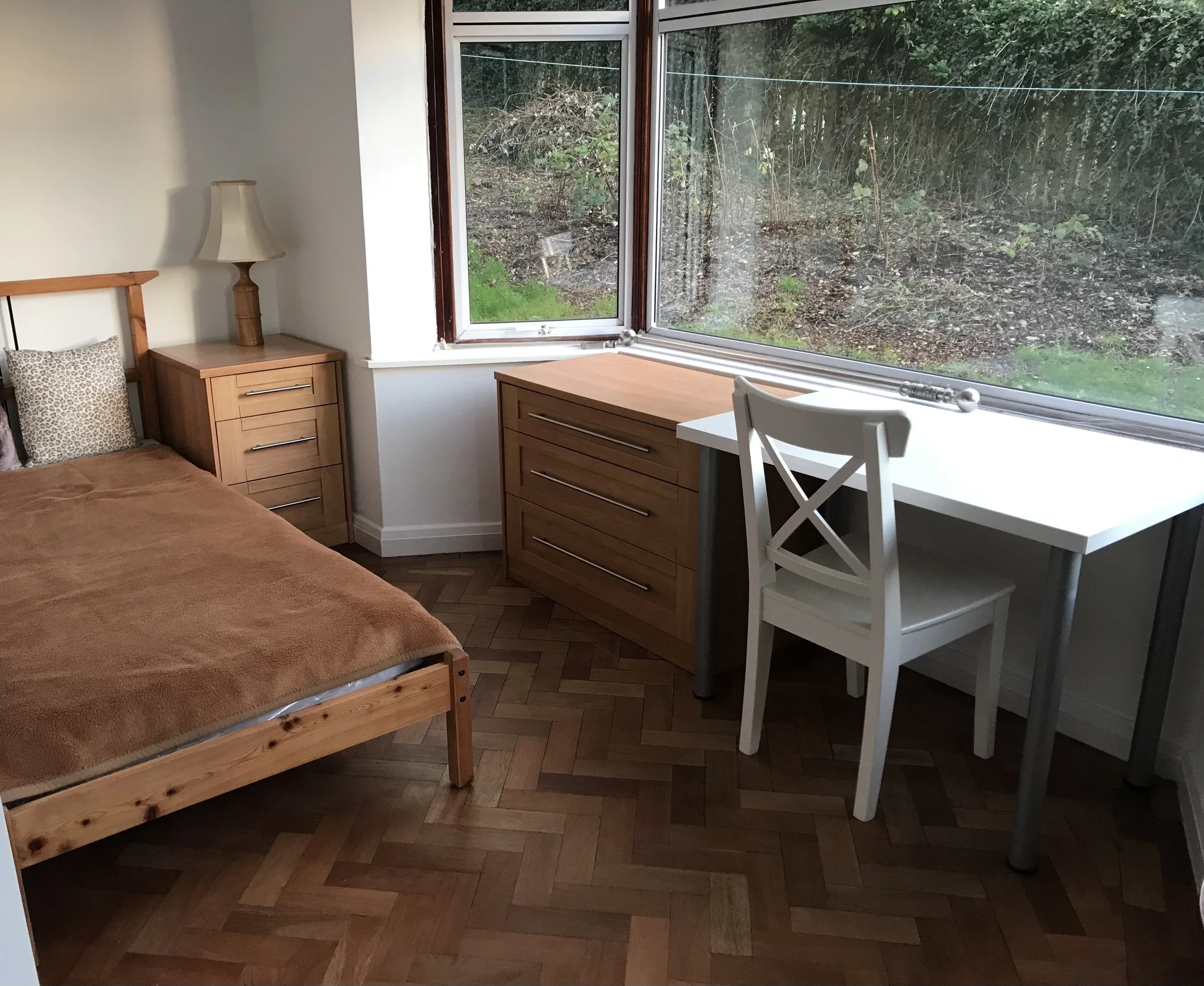
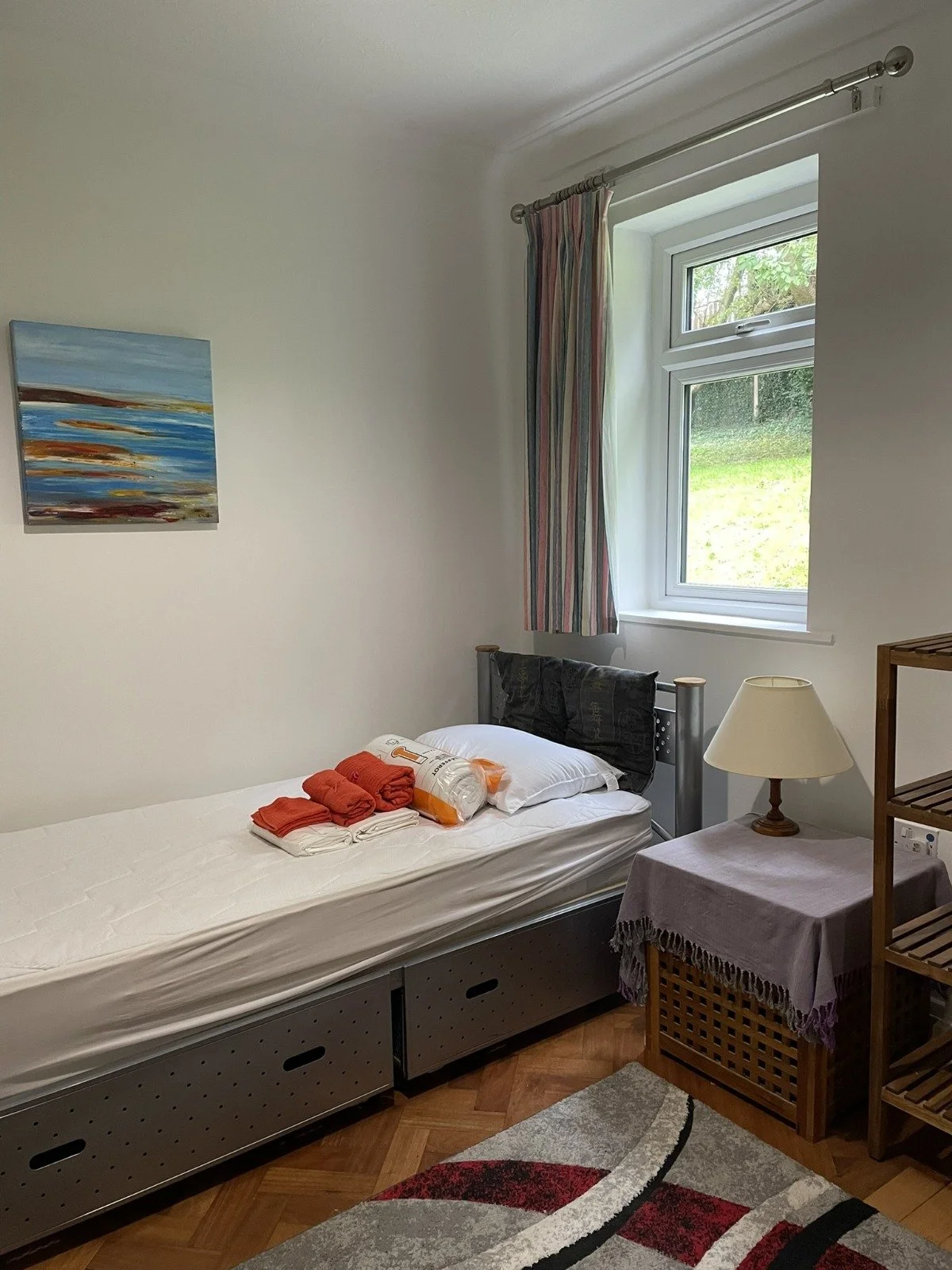
The plan was to refurbish the building to provide four bedrooms for residents, along with a self-contained studio flat for a live-in host couple who would offer day-to-day support.
The aim was to provide ‘move-on’ housing for refugees who are transitioning out of Home Office accommodation. The rooms would be available for up to 12 months, giving the refugees a period of stability while they find employment and secure longer-term housing. Although The Sanctuary is not classed as supported housing, the host couple would help the refugees become independent.
-
The journey
The purchase process was successfully completed in February 2024, and the refurbishment began.
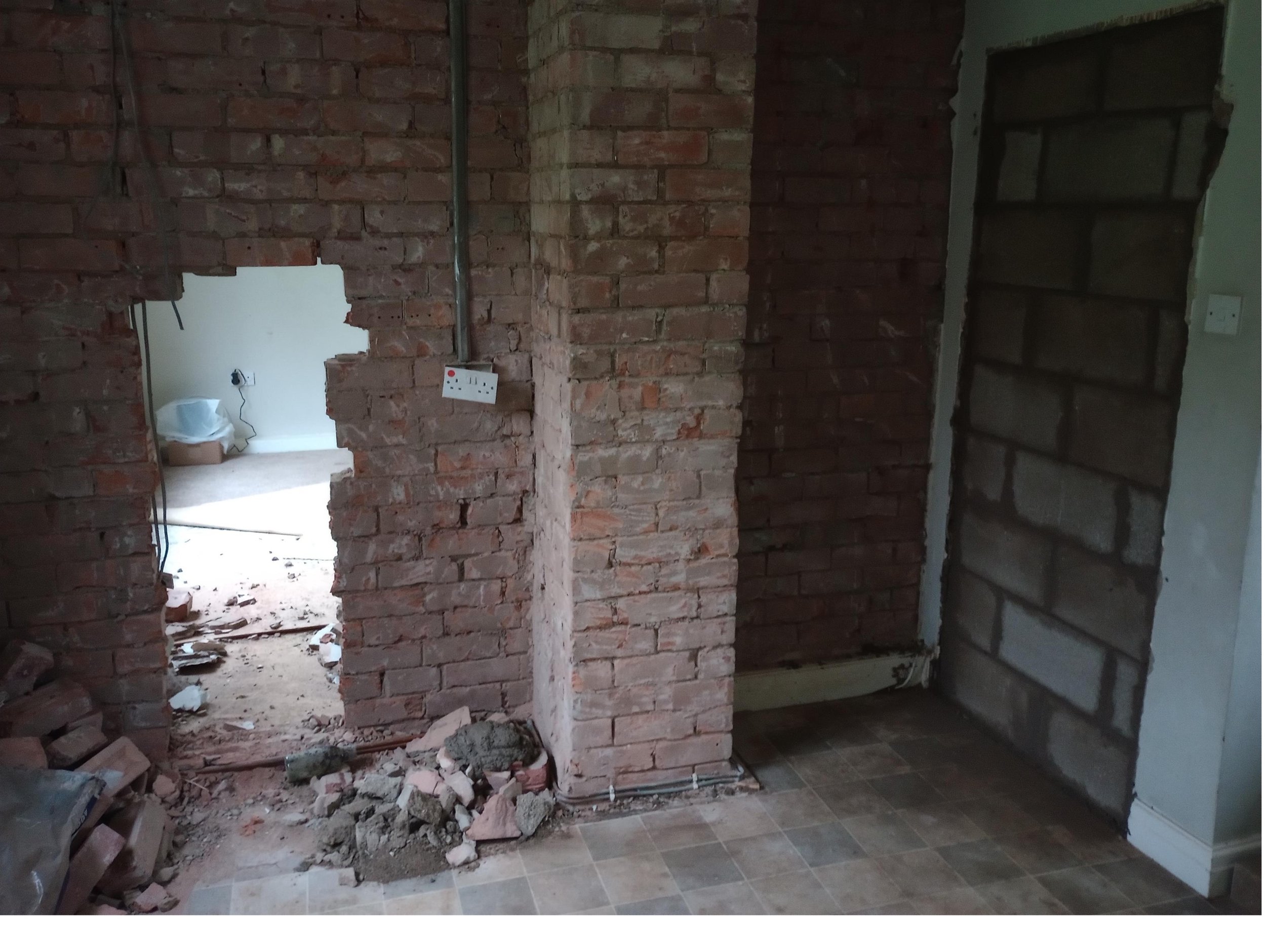
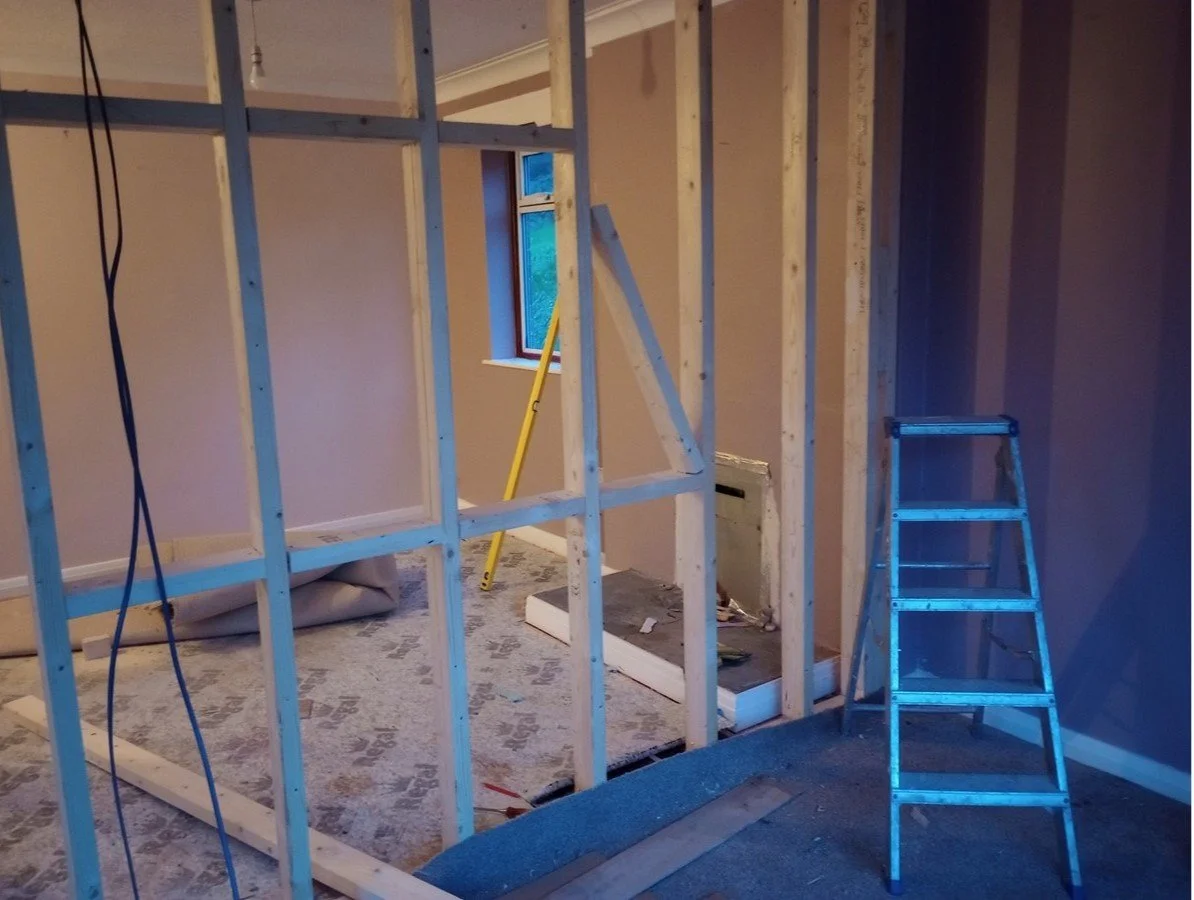
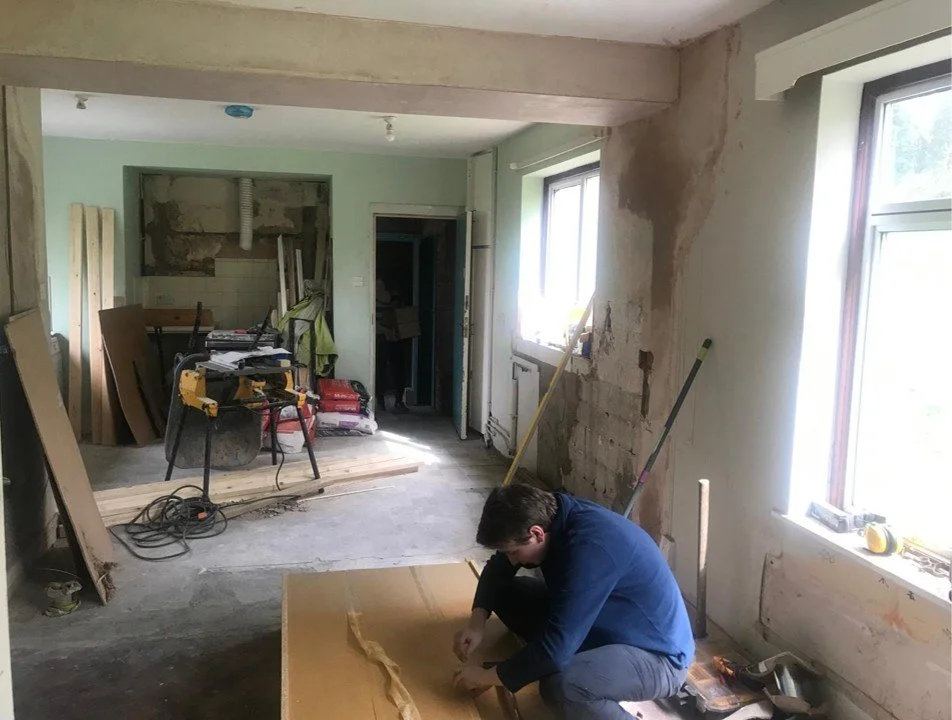
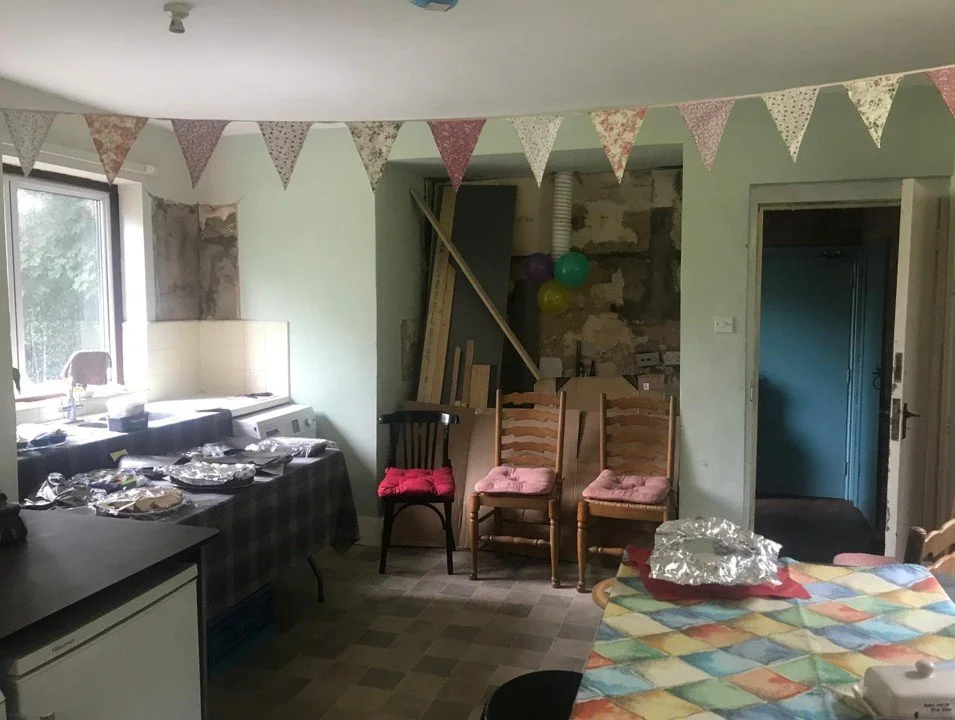
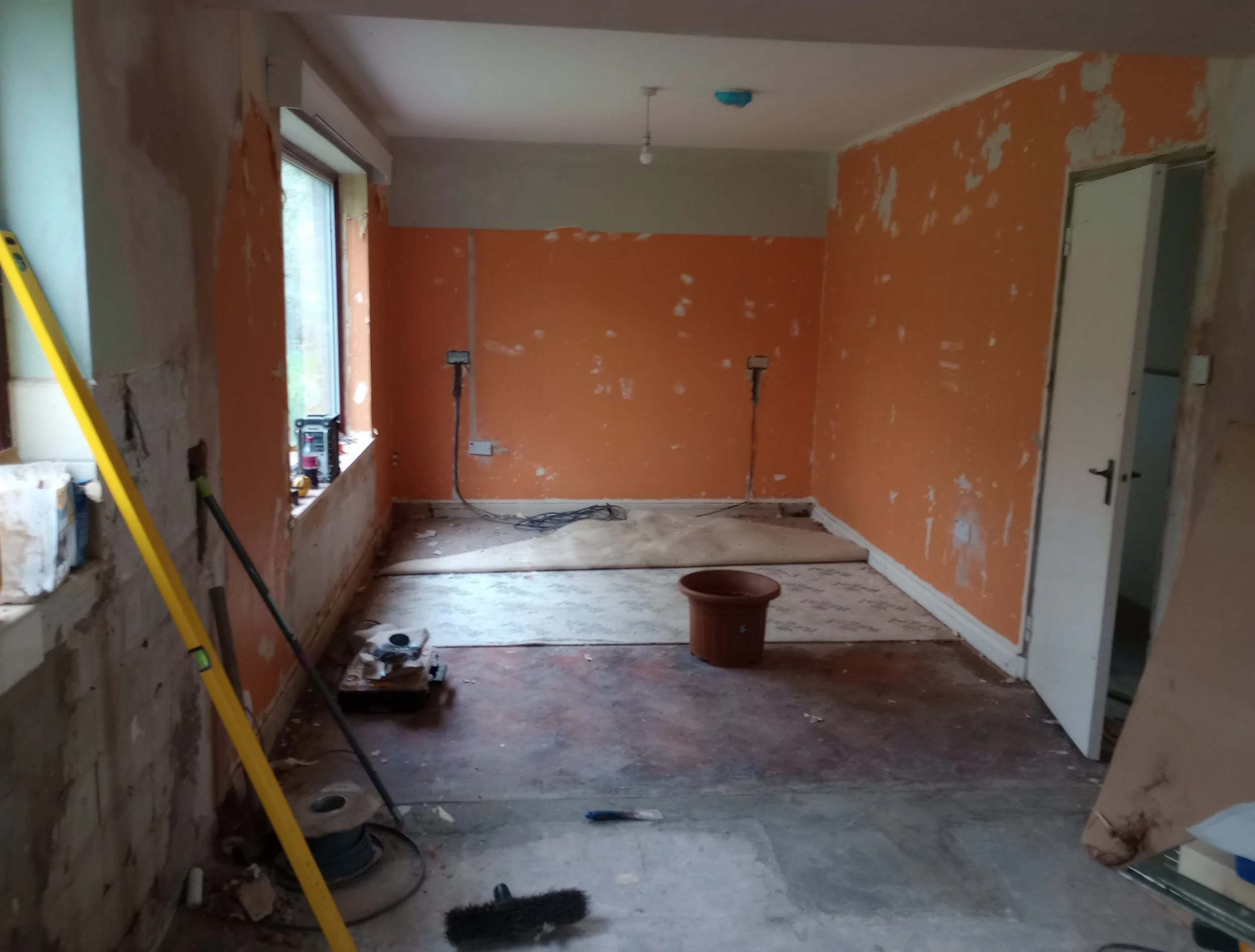
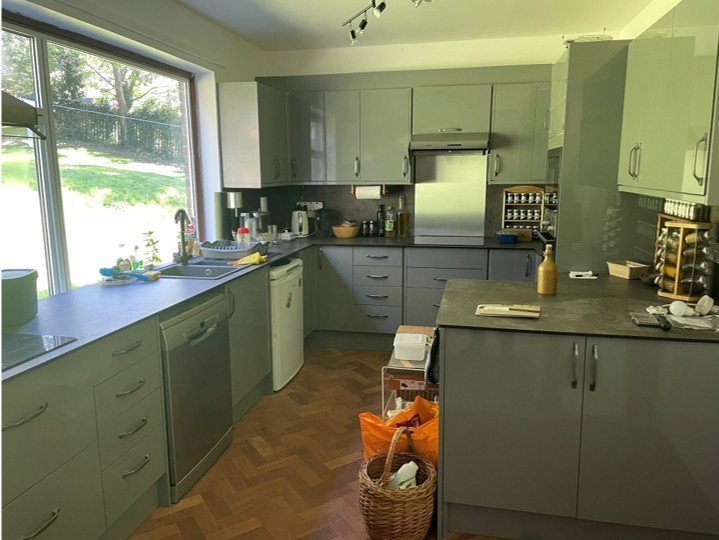
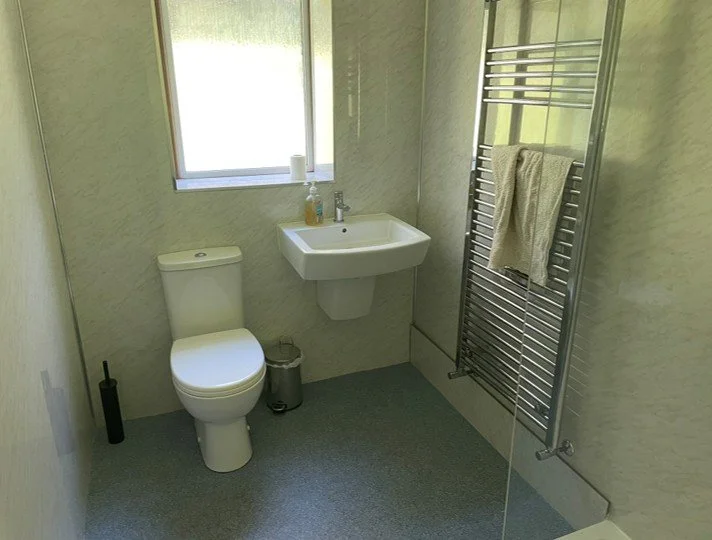
Additional rooms were created to expand the capacity of the property and to provide suitable living space for the host family. All bathrooms were replaced, and additional shower capacity was fitted. The existing kitchen and dining rooms were merged into one large kitchen-diner area and re-fitted to provide sufficient space and capacity for the intended 6 occupants.
The whole house was decorated, and new carpets or flooring was installed throughout, including the restoration of some original parquet flooring discovered under the old carpeting on the ground floor.
Significant upgrading of the plumbing and heating systems were required, and modern smoke/fire detection equipment and new internal fire doors were installed to ensure compliance with building regulations.
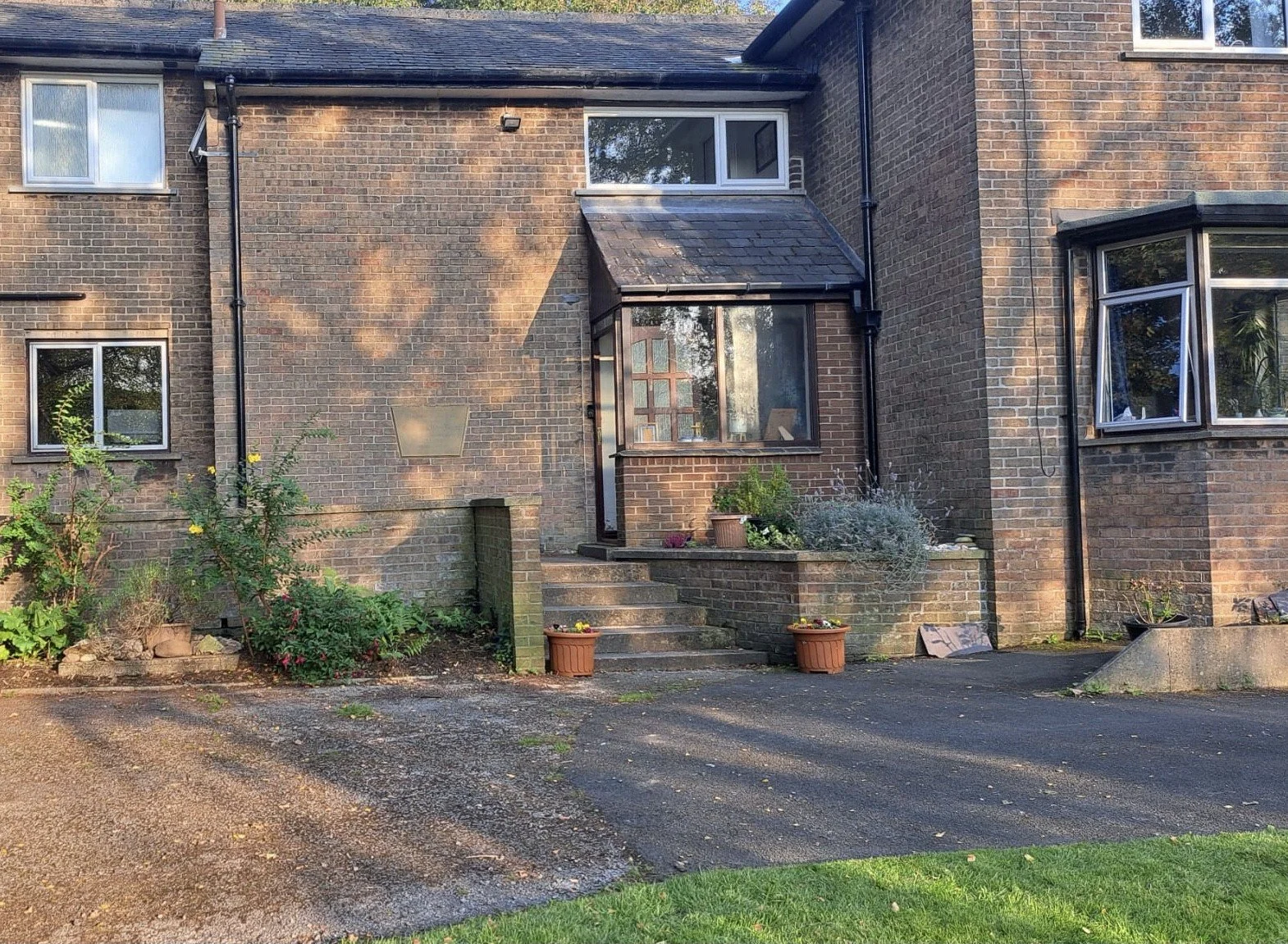
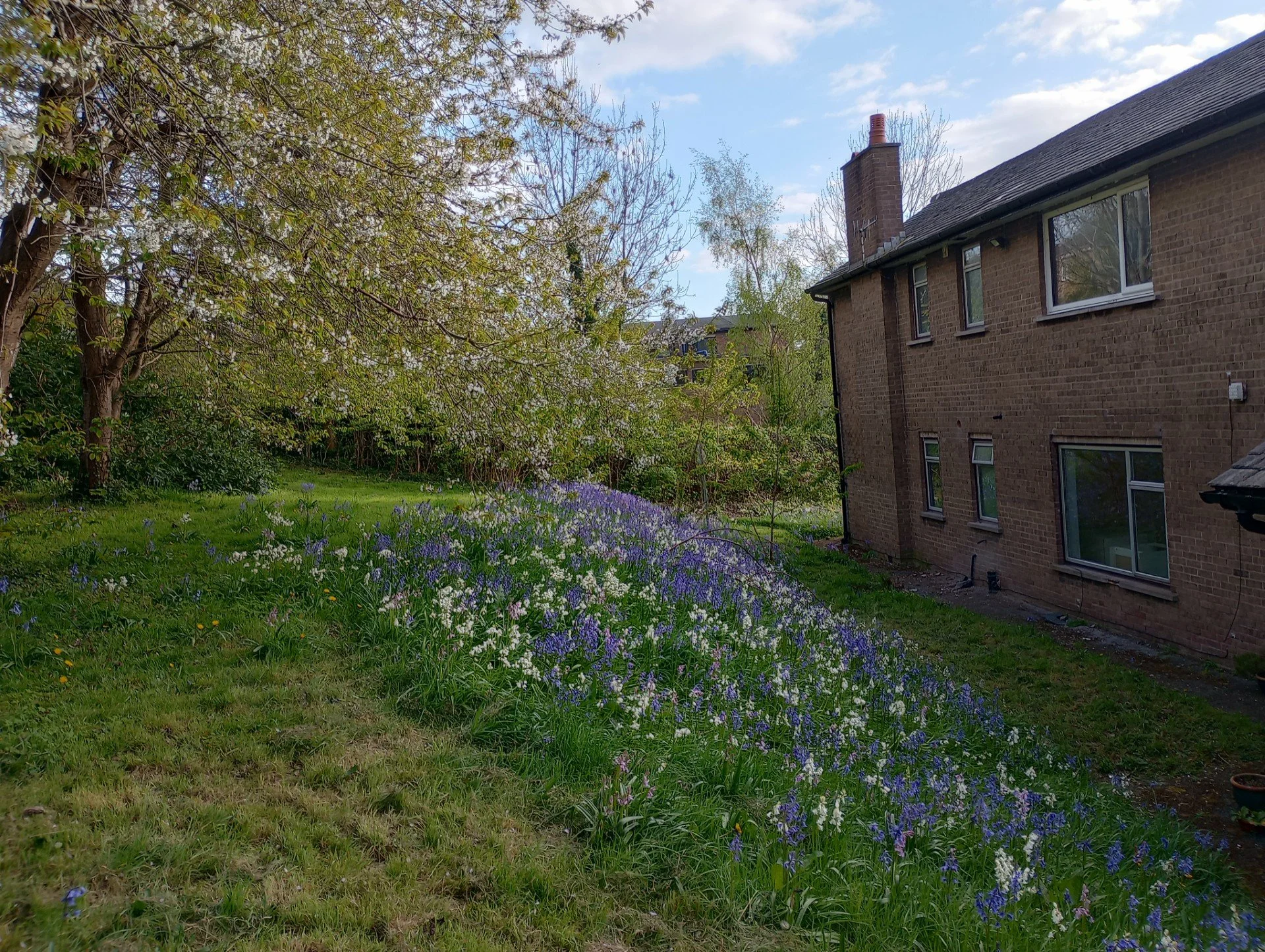
Externally, various volunteers contributed their time to improve the gardens at the front and rear of the property.
Alongside the physical refurbishment, several other administrative processes were needed to ensure the property was compliant with legislation prior to being able to function as intended.
Given the change of use from a single dwelling to an HMO, planning permission was required. Navigating this process took much longer and was substantially more complex than anticipated. Eventually planning approval to change the use class of the property was granted in November 2024. Further assessment was required for the HMO licence application, including visits from the Housing Standards team at Lancaster City Council, and a fire risk assessment. The HMO licence was granted in March 2025, and the first residents were welcomed 6 months later.
The local community was kept informed in advance of the project, and since opening, the project has had no complaints from neighbours, and some early residents have already moved on successfully into independent accommodation.
(continued below the images…)
-
Resources
The purchase cost of the house was £370k. One-off legal costs for setting up the CIO in 2022 came to £5k, and the administrative expenses for purchasing the house amounted to £4k. The purchase qualified for stamp duty relief. The cost of the refurbishment work was £60k at the end of 2025.
This was funded through donations totalling £95k, and loans of £345k over five years – almost all of which came from members of St Thomas’ Church.
The loans will be repaid over time through the rent on the rooms, which is set at Local Housing Allowance levels and fully covered by Universal Credit unless the tenants are earning. At the end of the initial five-year term, it is hoped that the property will have sufficient equity, and the CIO will have a good financial track record to enable them to obtain a commercial mortgage. This will enable the loans outstanding to the church members to be repaid and the project to continue.
Several applications to grant-making trusts were made to support the future capital improvement of the property. These were focussed on energy efficiency, with specific plans for improving windows and replacing an older gas boiler with a modern one.
-
Keys to success and biggest challenges
The main challenge is long-term financial sustainability. The CIO relied on private borrowing, including loans from church members, to purchase the property. While rental income covers day-to-day costs and loan repayments, there is limited capacity to fund major repairs, such as replacing an ageing boiler and windows.
In part this is due to the house being registered as a private HMO not as supported housing, which would have attracted a higher level of Housing Benefit as ‘exempt accommodation’.
The project highlights the importance of:
- Early consideration of long-term maintenance costs
- Access to grant funding for capital repairs
- Ongoing diocesan support beyond acquisition
-
Final outcomes
Four asylum seekers at a time, who have found refuge in Britain and have been given leave to remain, have a safe, secure place from which to transition into settled housing and employment.
The Sanctuary project shows how a surplus vicarage can be used creatively to meet acute housing need, delivering safe, dignified homes at relatively low cost. It also demonstrates the value of combining practical housing provision with pastoral care and support.