

St Ewe’s Glebe, Cornwall
The Story so far…
PCC members of All Saints, St Ewe helped form a Community Land Trust to provide affordable homes for local families. They managed to purchase some glebe land in the village and are taking it through planning.
-
Background
In rural Cornwall, the cost and availability of housing can make it difficult for local families to remain in the communities where they grew up. In the south coast village of St Ewe, members of the community, including from the parish church, came together to set up a charitable housing organisation to create more homes that local people can afford.
St Ewe Affordable Housing Ltd (SEAHL) is registered as a Community Land Trust (CLT) and began by purchasing a plot of land from Truro diocese 20 years ago. They partnered with Cornwall Rural Housing Association to develop their first scheme which was completed in 2010. It provided six homes: two for social rent and four were sold at discounted prices secured through Section 106 agreements. All six homes are only available for people with a strong connection to St Ewe Parish, and they have been fully occupied ever since, demonstrating the lasting value of locally focused affordable housing. As a CLT, SEAHL can guarantee that these qualifying conditions and the affordable price apply to all future owners.
-
The vision
The latest housing needs survey found that a further 17 households would benefit from affordable housing in St Ewe. SEAHL undertook a Call for Land for St Ewe Parish in early 2019 and also made a direct approach to some local landowners. The limited responses were all treated in strict confidence but unfortunately, nothing suitable/viable was forthcoming.
In 2024, a parcel of glebe land next to the first site they had acquired was put on the market by Truro diocese. However, the asking price and the legal duties governing glebe disposals presented a challenge, as although the diocese wanted the land to be used for affordable housing, their fiduciary duties made if difficult to accept anything less than the highest bid, which would be from a commercial developer wanting to build open market homes.
However, SEAHL went back to the diocese and began to negotiate. Local people rallied behind the project, raising more than £32,000 through crowdfunding by February 2025. This was supplemented by donations from local businesses, a parish council contribution, SEAHL’s own reserves and funds released when a longstanding local Relief in Need charity wound up.
After sustained efforts by those involved from both the diocese and the CLT to find a solution, SEAHL purchased the land in December 2025. The scheme also has strong support from All Saints’ PCC, which has members in common with SEAHL. The diocese placed a covenant on the land, restricting its use solely for the provision of affordable housing.
-
The planning journey
Progress since acquisition includes a measured survey, an initial ecology survey, alternative layouts, costings and viability work. SEAHL ran a process to appoint an architect, interviewing five contenders before choosing L and M Architects.
SEAHL are working to establish a financially viable delivery partnership, by exploring a long lease to a Registered Provider that could access grants for social rented housing from Homes England, and then develop and manage the homes. SEAHL are currently in discussions with a local housing association, who will bring their experience and expertise in design, planning and building.
It is likely that the RP will need to take a 125 year lease of the site which will allow them to access development finance. They will then manage the homes in regular consultation with SEAHL to ensure that the strict provisions to be contained in the s106 Planning Agreement are followed, meaning that they can only be occupied by qualifying local applicants.
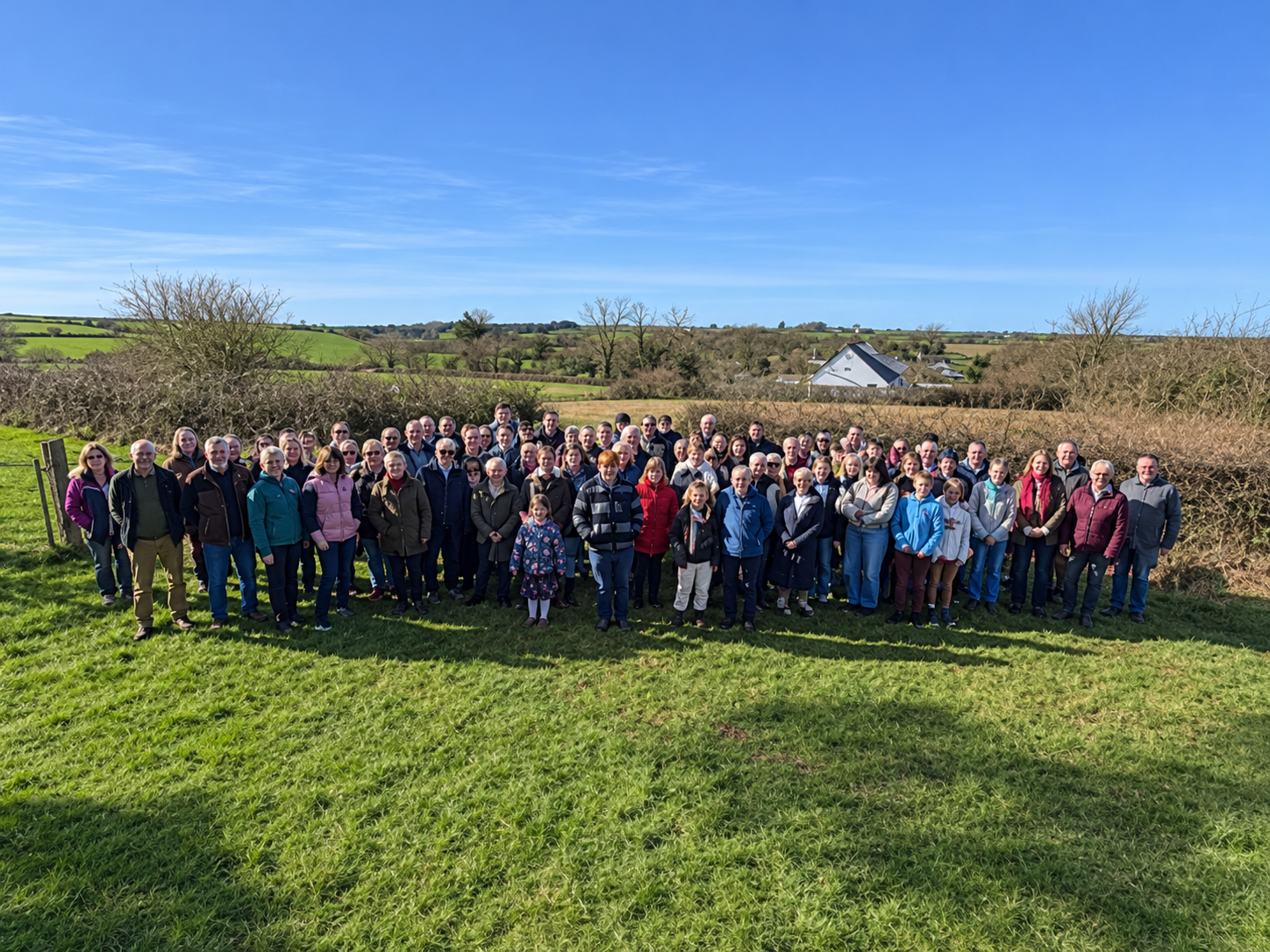
Members of the CLT, congregation and village turn out to celebrate the purchase of the land
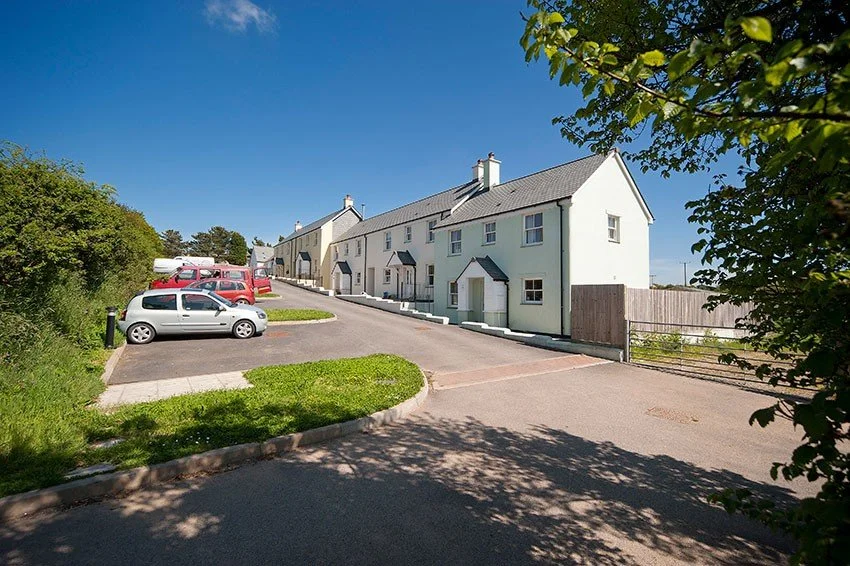
Glebe Terrace - the first development by the CLT
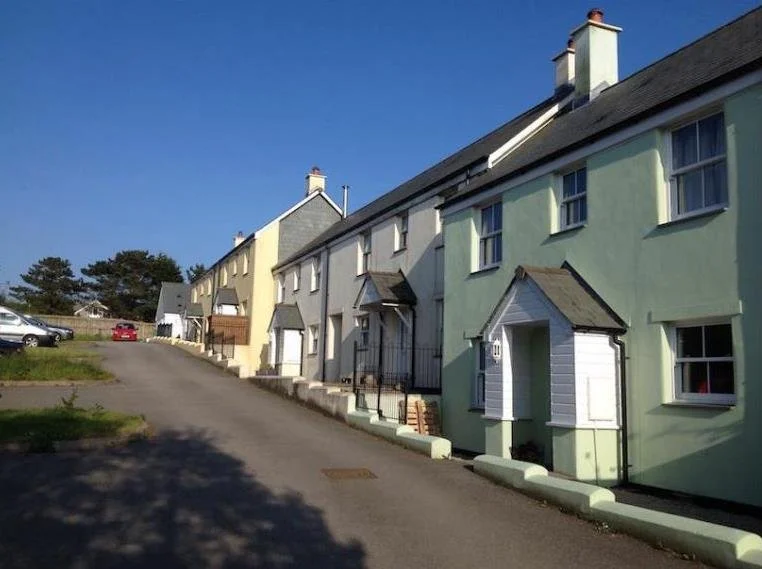
Houses built on glebe land by the CLT in 2010
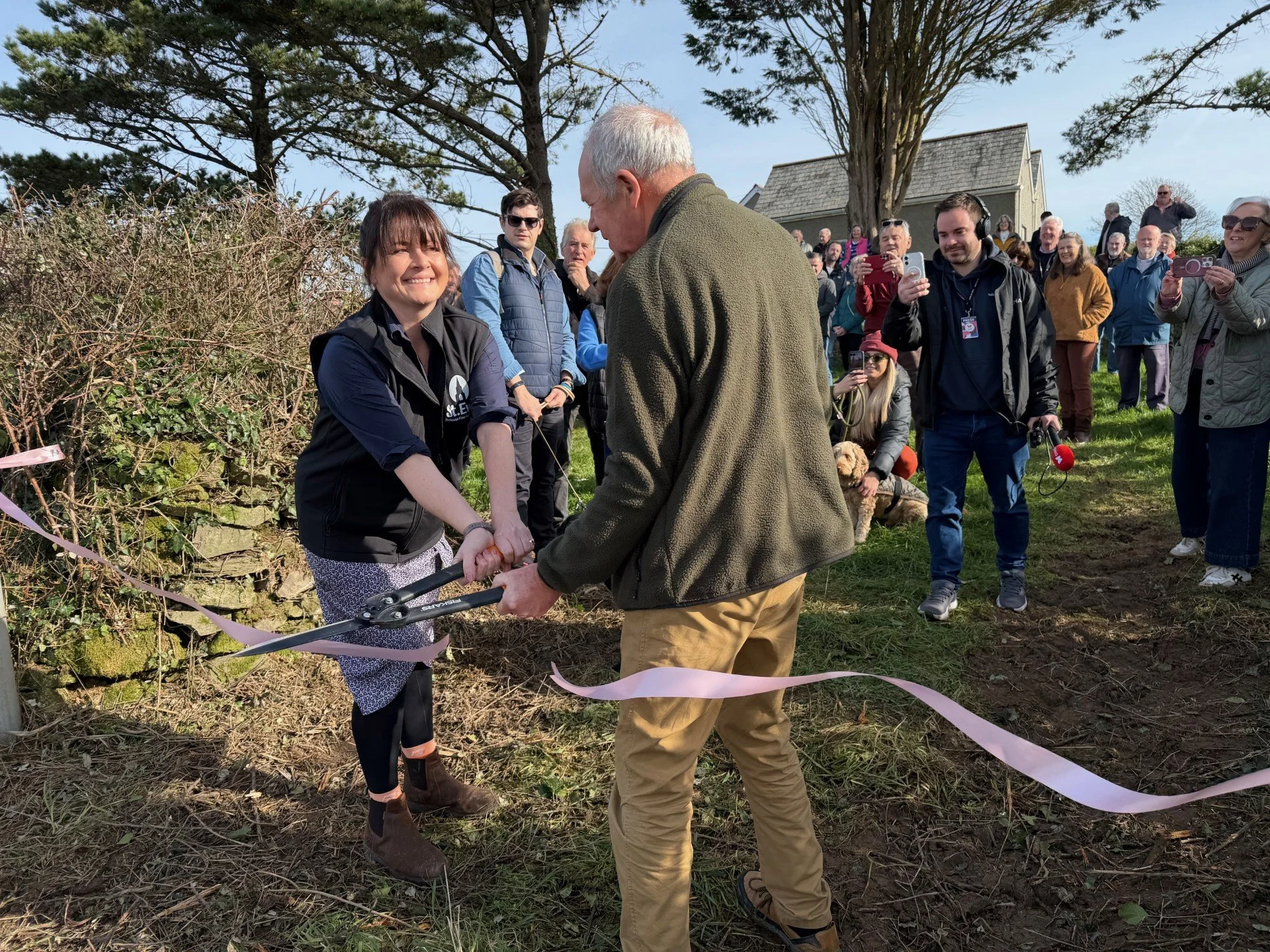
Ribbon cutting celebration to mark the purchase of the land from the diocese
-
Support from AC Housing Project
The Archbishops’ Council’s Housing Project worked with the Diocese of Truro and SEAHL through the land sale process, providing support as they navigated the practical challenges of transferring glebe land for community-led affordable housing. The sale in December 2025 was a significant step forward, after which the PCC applied successfully for a £25,000 Housing Project grant: the award was made to the parish, and the funds were passed to SEAHL for architects fees and planning preliminaries.
-
Key lessons learned
St Ewe illustrates both the potential of church land to meet local housing need and the obstacles that can arise when diocesan glebe land is sold. The eventual transfer brought together a diocese balancing its financial and legal responsibilities, a supportive parish and a determined community housing organization. It shows the value of practical, sustained support alongside grant funding and community involvement in keeping affordable housing within reach of local people.
-
Next steps
The next steps are for L and M Architects to test the proposed design and access arrangements through community consultation and pre-application engagement with Cornwall County Council. The aspiration remains four affordable rented homes; planning consent and a delivery agreement have not yet been secured.