

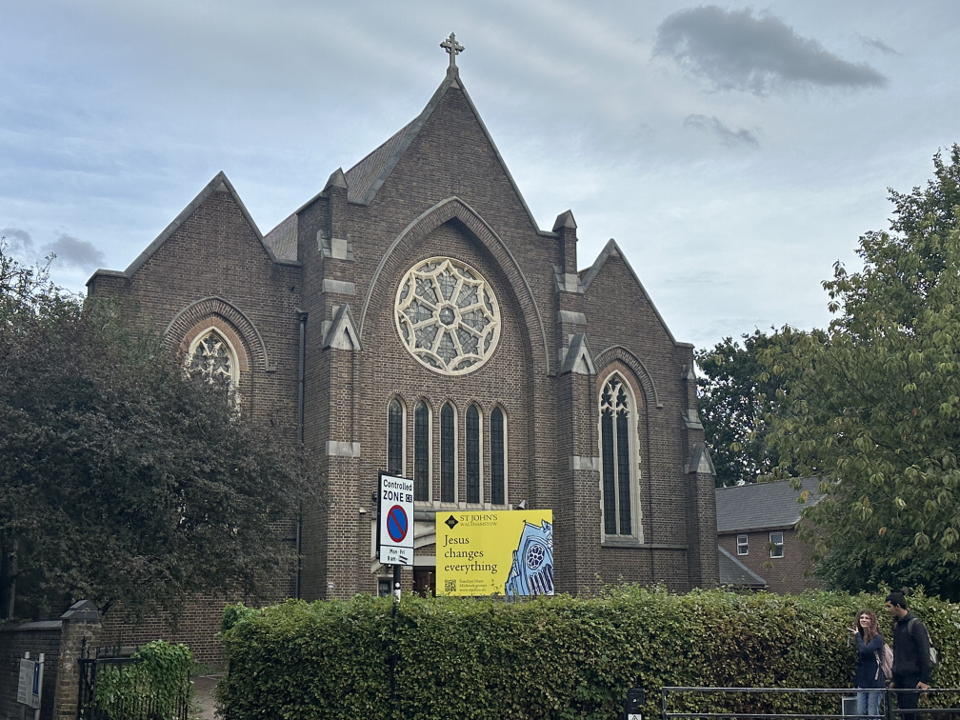
St John’s Walthamstow
The Story so far…
Over a decade ago the PCC started to explore the possibility of building some affordable flats on an unused plot of land next to the church. They have faced numerous setbacks since then but hope to get a positive planning decision soon.
-
Background
St Johns is a vibrant church in North Walthamstow, on the Chingford Road. Since 2016, the PCC has prayerfully considered building affordable flats on garden land between the vicarage and the road, owned by the church.
In 2017, the diocese received GLA feasibility funding to explore building affordable housing on several Church-owned sites. St John’s partnered with Matthew Lloyd Architects after a ‘speed dating’ process, and initial drawings were made for 11-13 flats, a coffee shop and a re-landscaped area to the front of Church. Chelmsford Diocese, Matthew Lloyd Architects and planners from the local authority (Waltham Forest) met and the view was generally positive – but there were no written notes from that meeting.
The diocese later withdrew from the wider project due to the risks involved and concerns for the impact on funding – so the project was put on the back burner.
-
The vision
The church is hoping for a range of social, financial and missional benefits from the redevelopment of their land:
Providing affordable housing for people struggling with rents in this part of London
Improving the landscaped area in front of the church which would significantly reduce current parking and anti-social behaviour issues and improve church access.
Demonstrating or exceeding the 5S values of Coming Home with high-quality, energy-efficient construction, potentially utilizing Passivhaus design principles
Retaining full use of one flat rent free (to house church staff), with the options of paying affordable rent on another flat to house a further staff member.
Achieving some environmental and financial synergies, if the church could share heat pumps / solar panels with the new building.
Realising both financial and mission opportunities through a coffee shop
-
The planning journey
In 2023, Matthew Lloyd Architects revised the previous drawings, this time with support from Ibstock Bricks and a new Christian housing association, J49. These were not backed at a pre-application meeting – largely due to the perceived impact on 2 locally-listed buildings: Monoux College and St John’s Church. Revd Kieran Bush then sought support from local councillors, and Waltham Forest Council’s Deputy Leader (responsible for Housing and Regeneration).
Following the election of a Labour government in 2024, Waltham Forest Council approached Matthew Lloyd Architects aiming to reverse the pre-application advice via a Design Review Panel (DRP) formal review. This DRP did not proceed due to lack of funding to cover the costs, but when the AC Housing Project launched its grants programme in 2025, the church made a successful application which led to the DRP Review.
This Review supported the principle of development but made it subject to substantial design amendments, which would have to be carried out before the project could go to a pre-app meeting.
(story continues below images…)

The three sections of the St John's site
The view of the west end of the church from the road
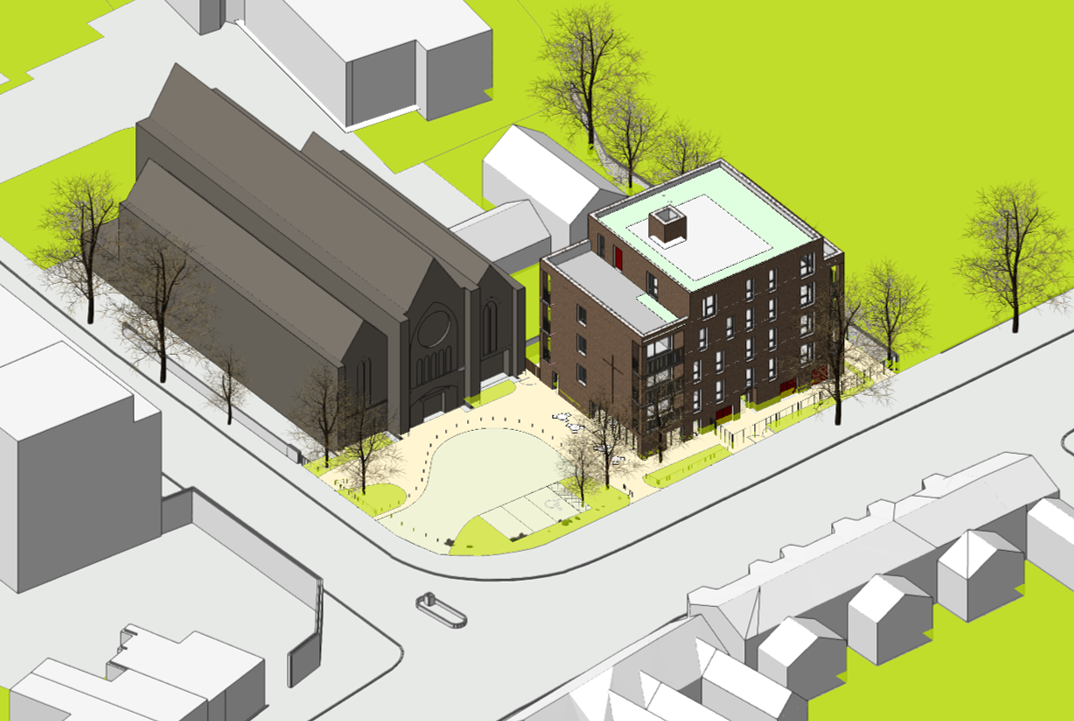
The first version of the design - on unused land
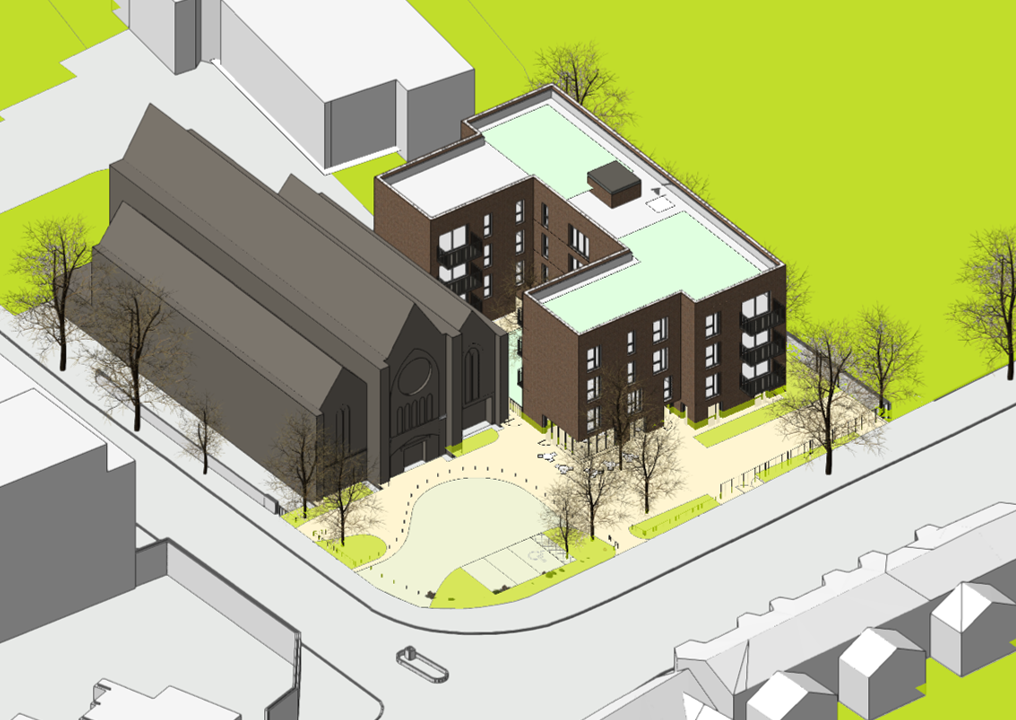
The second version of the design, a larger block that incorporates the vicarage
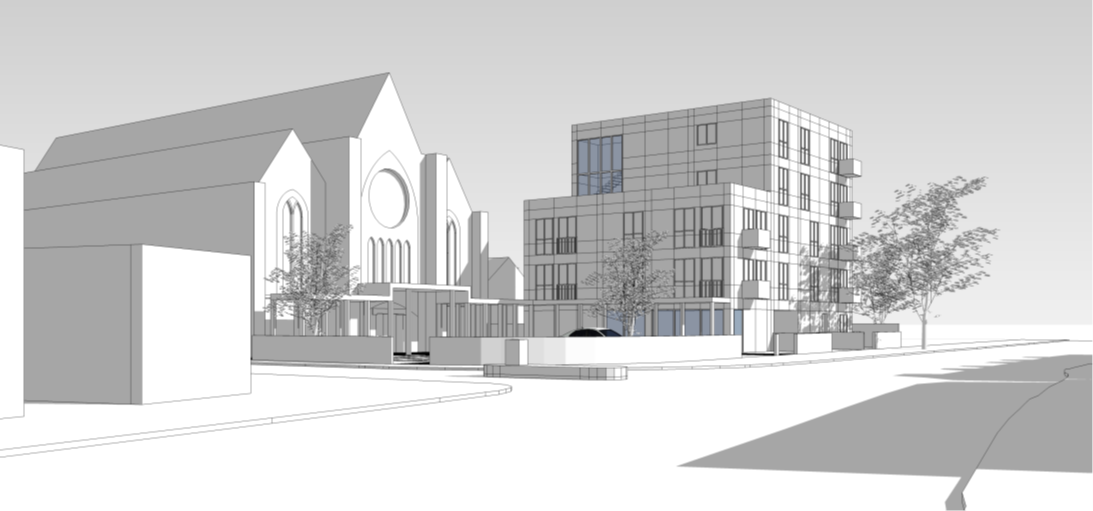
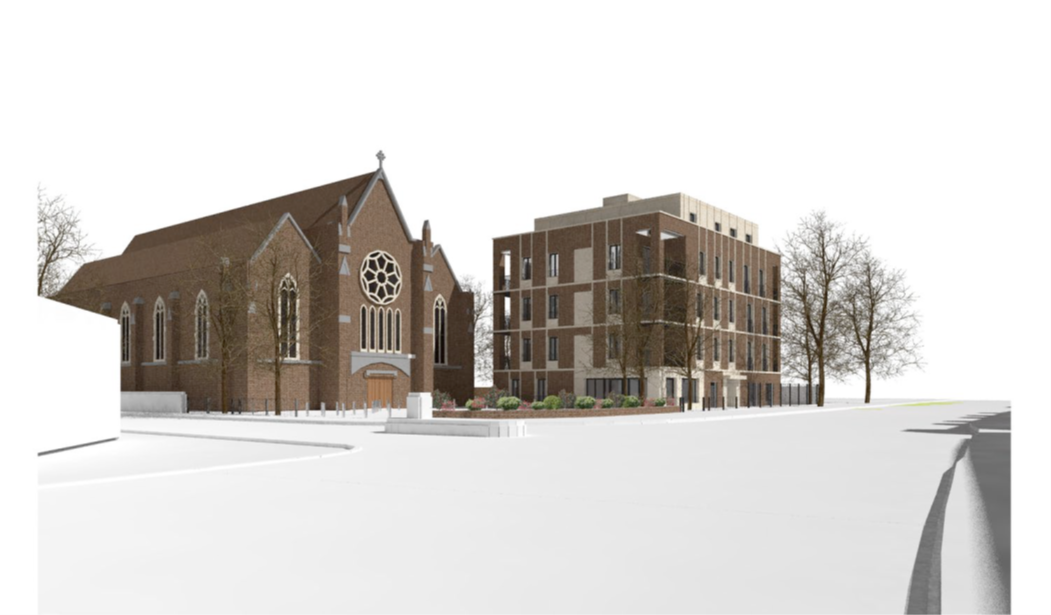
Fourth design iteration
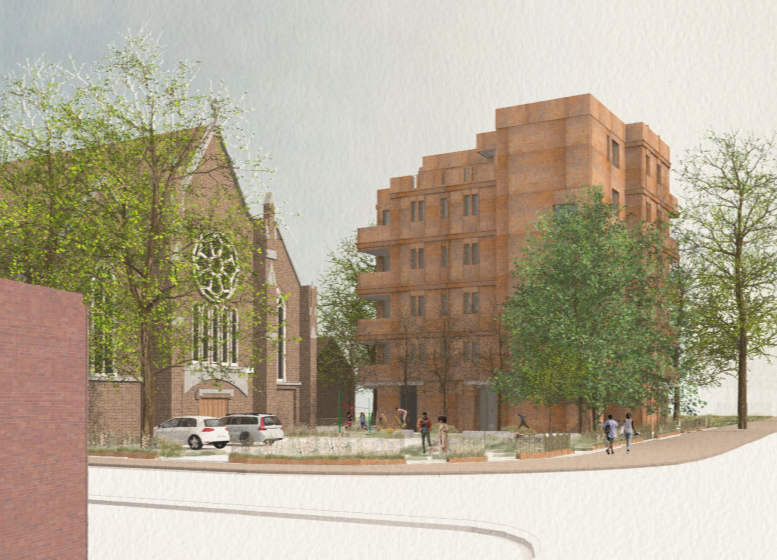
The current design that is being presented to the planning officers
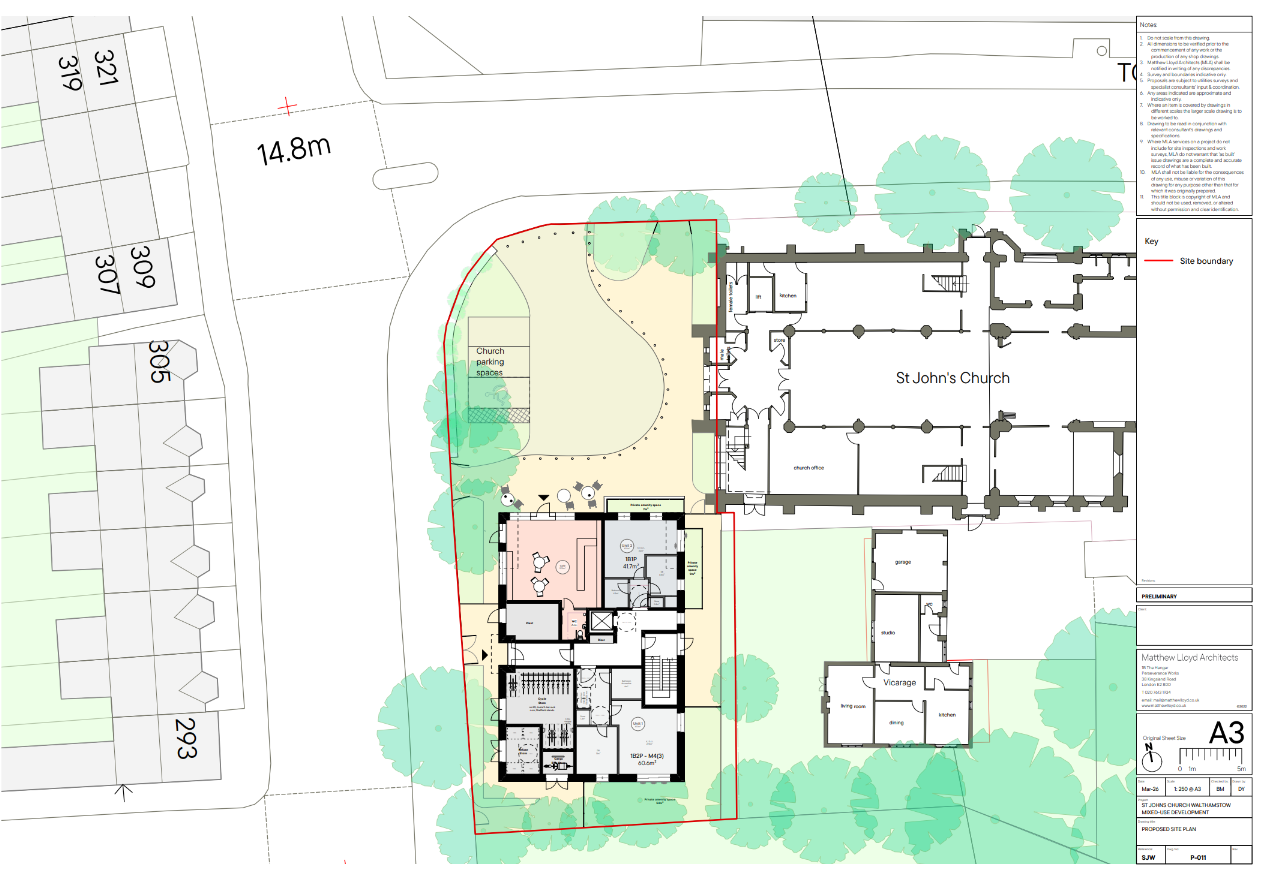
The ground floor plan
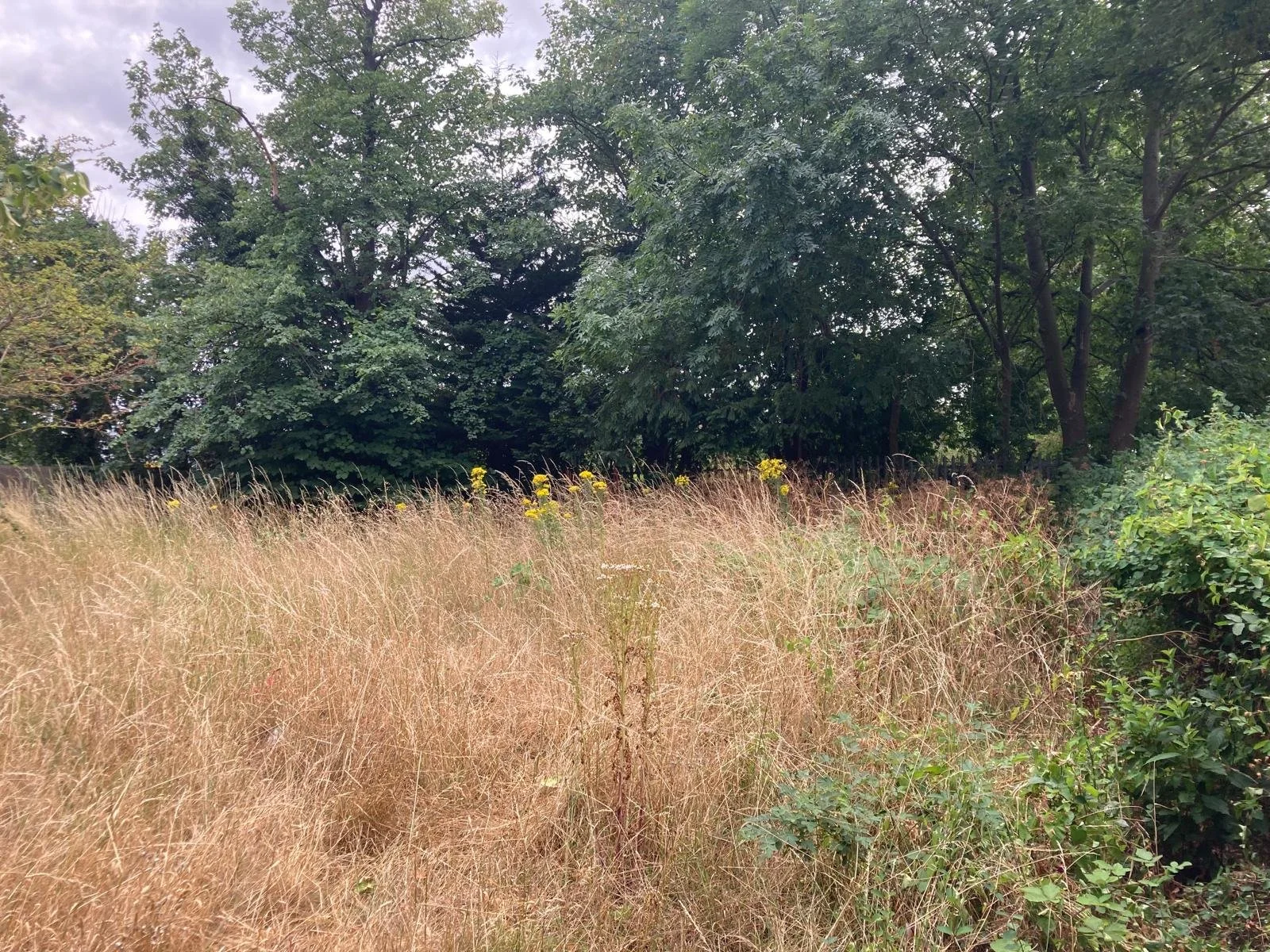
The plot as it currently stands
-
Support from AC Housing Project
In July 2025, the church applied for a grant of £24,580:
Design Review Panel costs (£7,500)
Concept Meeting with Waltham Forest planners on site (£1,045) – to consider the recommendations of the DRP and provide updated pre-application advice to inform the preparation of a planning application
Architect costs (£9,600)
Planning consultant (£3,000)
Surveyor costs (£1,200) to undertake a best value report and understand the viability of the amended scheme following the recommendations of the DRP and updated pre-application advice.
Contingency (£2,235)
The Design Review Panel decision was a positive step forward, but it came with significant funding requirement to get the project to the pre-app stage. The budget for the redesign work and pre-app costs is £25,000, which is being partly funded by the AC Housing Project grant scheme.
If a successful pre-app decision can be achieved, then the housing association J49 have indicated they would be willing to take the project forward through planning.
The current proposal is for approximately 15 flats, predominantly one- and two-bedroom homes, despite the local planning authority indicating a preference for more family housing. The eventual financial return to the church is not yet known and will depend on the development model. Different potential partners have previously suggested arrangements ranging from the homes returning fully to the church after around 40 years to leases of approximately 125 years. The church remains strongly committed to retaining the underlying land rather than selling it.
-
Key lessons learned
The vicar’s main learning was the importance of getting written feedback from planners, involving the DAC early, encouraging planners to visit the site, building relationships with councillors, and having all the key ingredients aligned. These are a supportive PCC, good architects, supportive planners and diocese, and a committed development/funding partner. He also emphasised the value of good planning consultants and being clear about which elements of a scheme are essential and where the church can compromise.
-
Next steps
The design amendments have been made by the architect, and the parish have gone back to the planning officers for another round of the pre-app process.
The final major step will be to negotiate a path to delivery. This will be easier once there is a positive pre-app, but small church sites can still struggle to finalise a contract with a developer or RP who will fund the full planning and development of the site, especially in the current climate of high construction costs.