

Tolladine Mission, Worcester
The Story so far…
A group of Christians were concerned about the lack of decent, affordable housing in their part of Worcester, and wanted to support the church’s mission to the Tolladine area.
-
Background
Tolladine CIO was founded in 2017 by members of local churches in the Tolladine area of Worcester. They saw first hand the poverty, unemployment and poor health of the local community. There was a lack of green space around the low quality, private rented housing which was adding to the sense of a poor environment locally.
The founders also wanted to create a sustainable basis for the mission work in the Tolladine area. Their vision is to improve the availability and quality of housing, to enrich the local environment and to generate a small income to support the work of the local church.
Initially they bought a 3 bedroom house in Avon Road, Worcester with an interest free loan of £100k for 5 years. They improved the property, particularly by reducing the energy needed to heat the house. The CIO then let it to a local vulnerable family who were unable to get council housing, couldn’t afford private rents and needed support to maintain a tenancy. They managed the house and supported the family for 5 years, during which the tenant was able to raise her family safely and move on to a housing association tenancy in July 2024.
When the loan period was complete, the CIO were able to find a socially minded purchaser for the property, who paid around £150k. This enabled the CIO to pay back their loan and have extra capital to take the vision forward.
-
The vision
With the experience gained through the first phase, the CIO decided to provide more homes for people in housing need in the garden of the former Christ Church vicarage at 214 Tolladine Road.
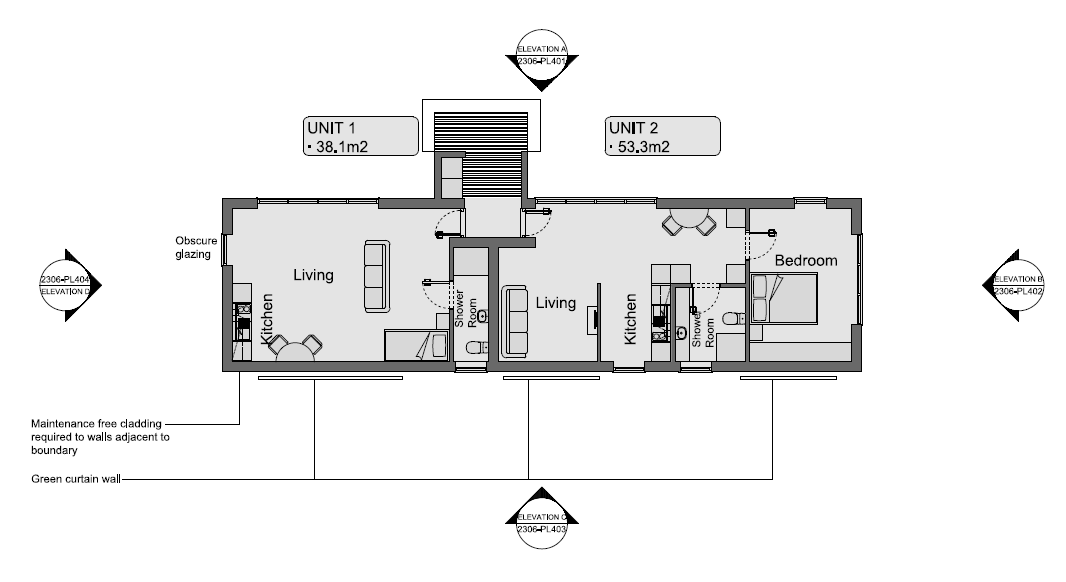
The Diocese of Worcester agreed to lease the vicarage, which was sublet to a foster family caring for 2 children, and in 2025 they sold a large part of the garden there to the CIO. The plan was to build 2 eco-friendly starter homes, which would accommodate 6 people (2 couples and 2 singles), as there is a particular need for this size of affordable home.
The houses would be energy efficient and environmentally friendly, with high levels of insulation and air source heat pumps. The buildings would use sustainable materials with a low carbon footprint for the final design.
-
The planning journey
A planning application (25/00525/FUL) was submitted to Worcester City Council on 12/06/2025, but in October 2025, the planning officer wrote to say they would be recommending refusal for three reasons:
· Massing: 4 units were considered to be inappropriate within the locality.
· Design: this was not considered to be in keeping within the surrounding locality.
· Impact on trees: the Tree Officer was concerned about development within the tree root protection areas of Category C trees (at the time none had Tree Protection Orders, but these were later applied).
The CIO lobbied their local councillors and met two planning officers on 29/01/2026. They agreed to address the following concerns in their re-issued drawings and design:
· To lower the height of the roof that would be visible to local residents over the existing garden fence
· To explore the viability of a ‘living roof’ (although this was not a condition)
· To redesign the roof line so that it is not one long section and looks more architecturally interesting
· To ensure that the trees with new TPOs would not be affected
The concerns that were originally mooted concerning density were withdrawn and the Planners told the CIO that they were keen to work with them to get the Project approved.
(continued below photos…)
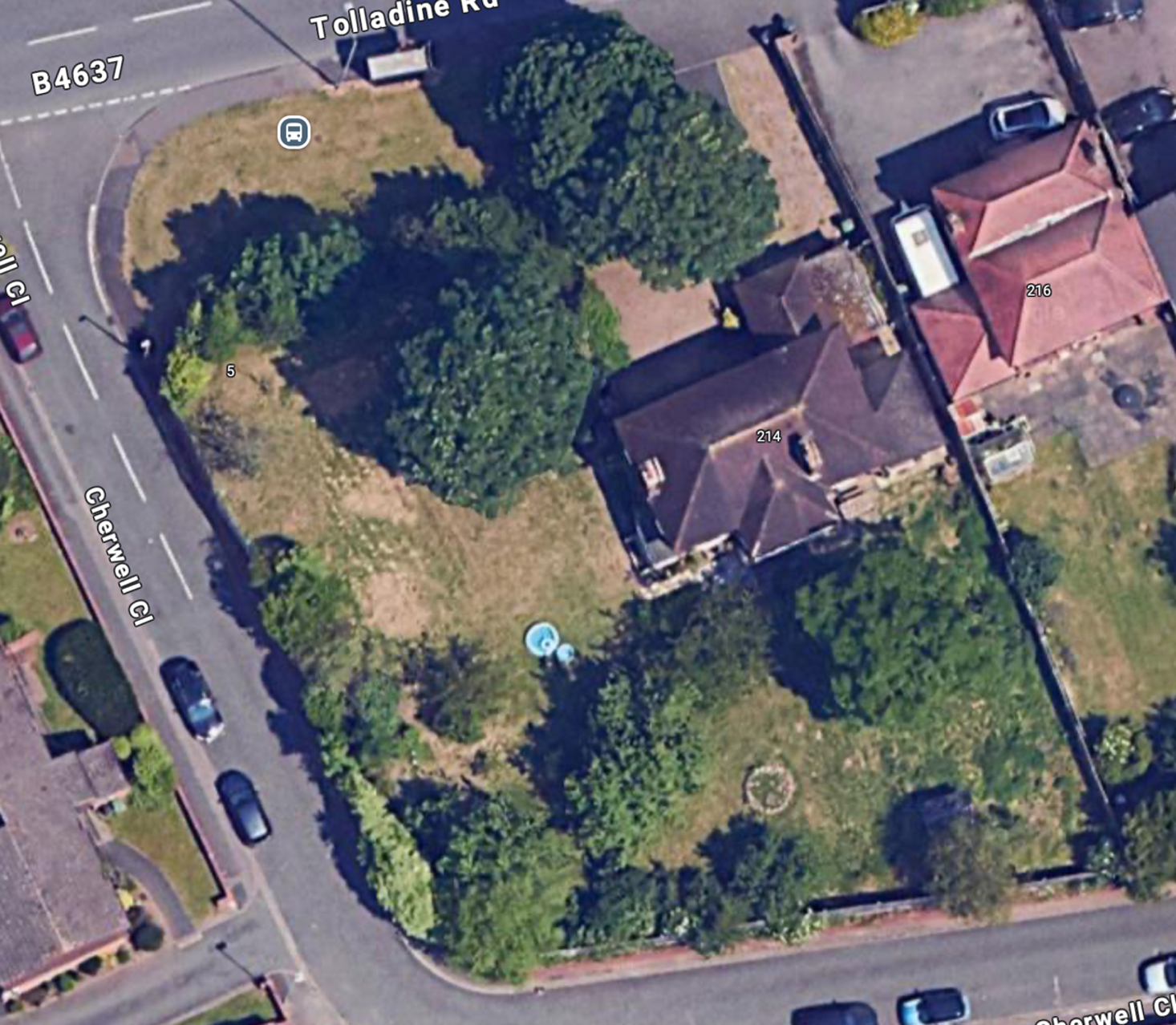
Aerial view of the former vicarage and garden
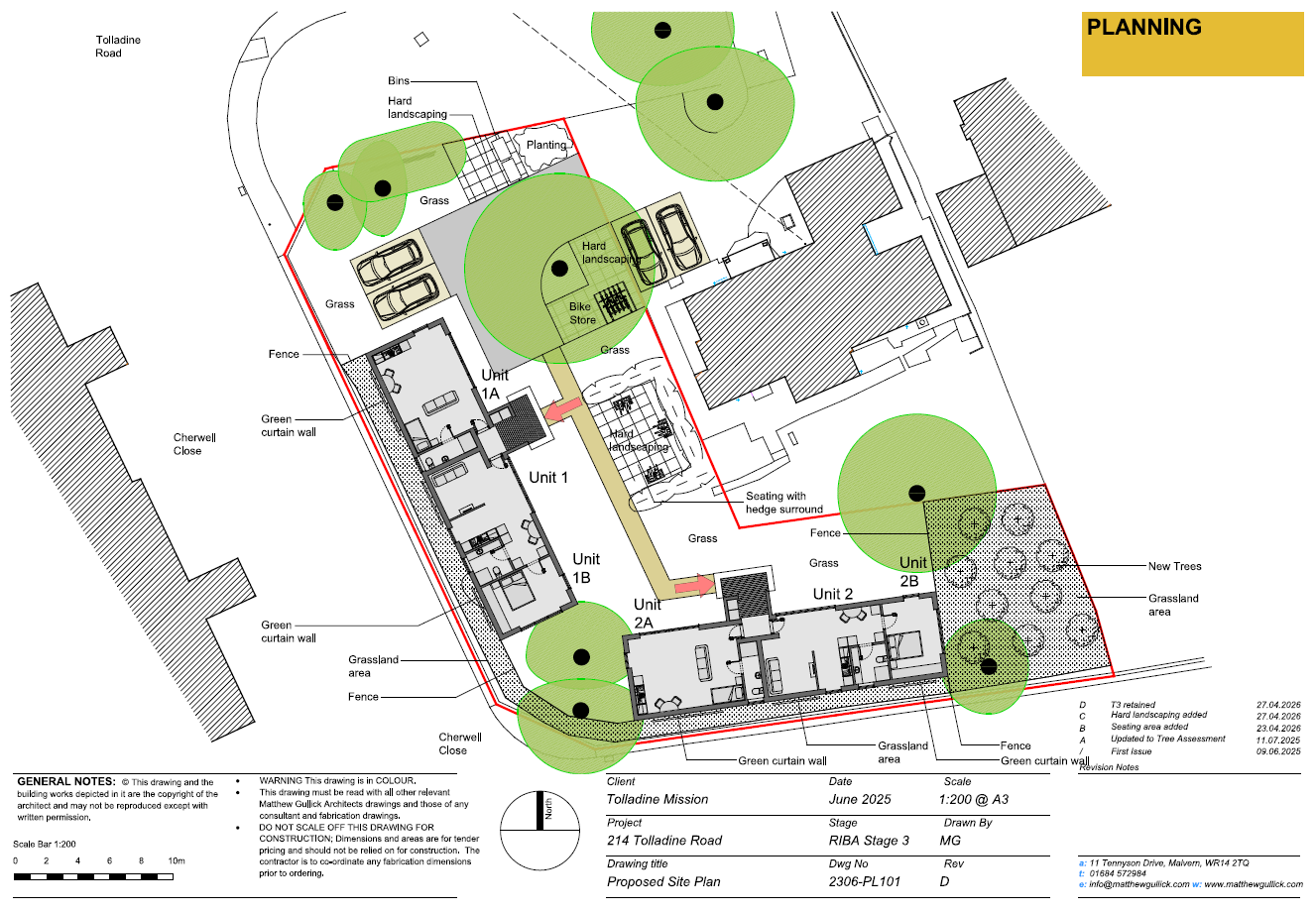
Plan of the redevelopment
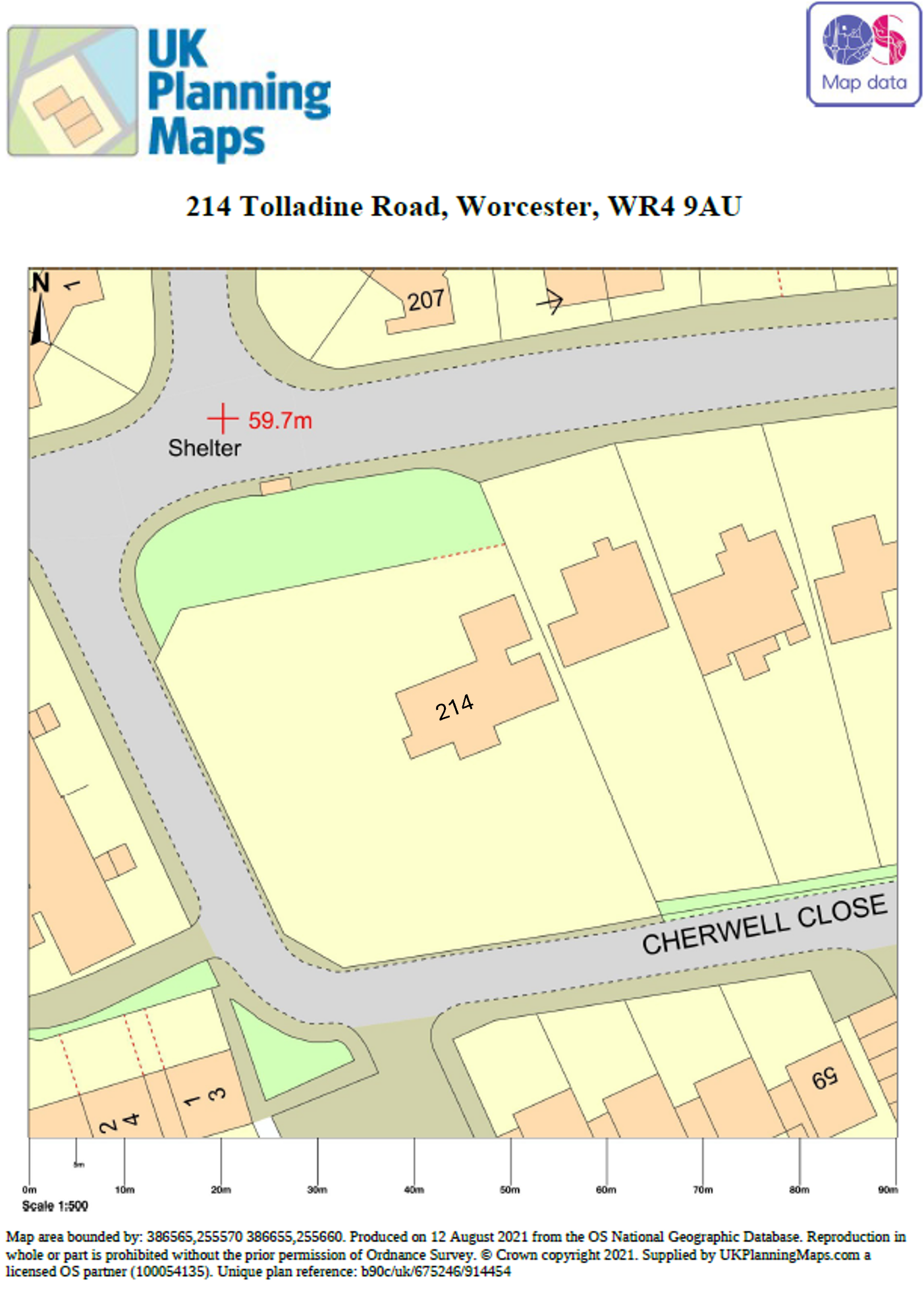
Site as it appears on planning maps
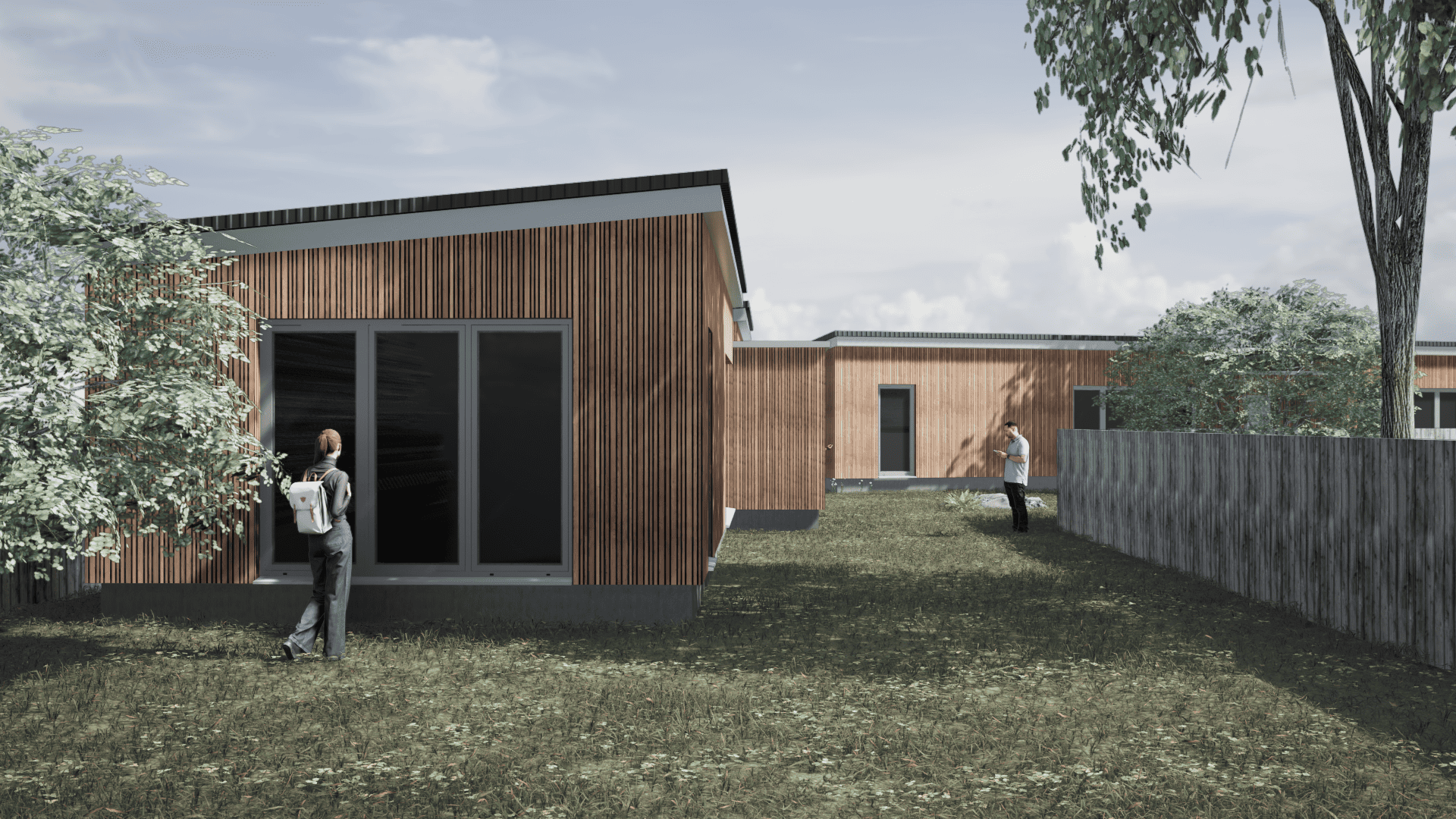
One of the two proposed buildings (the other is the same)
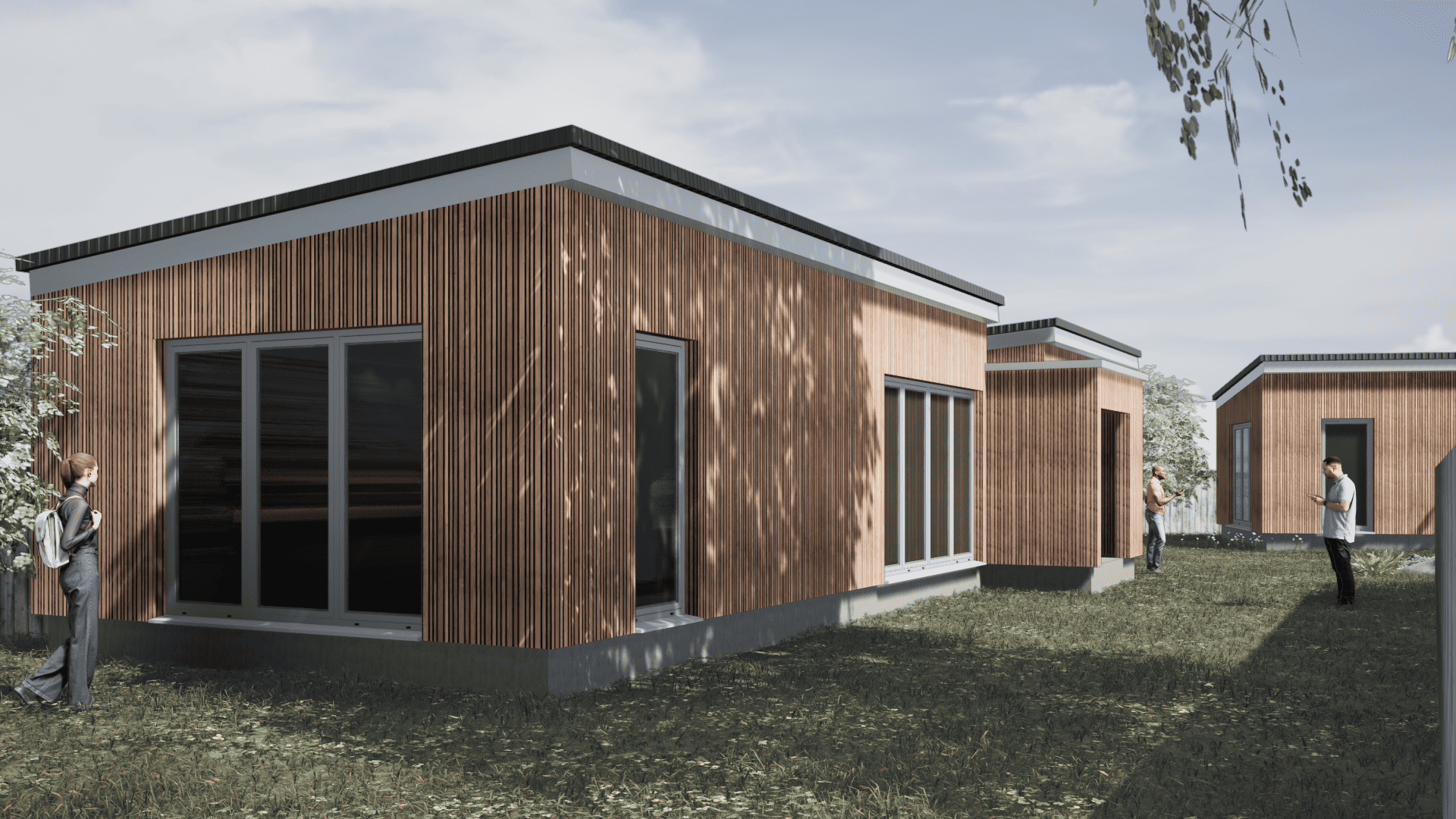
Architect's design of new housing
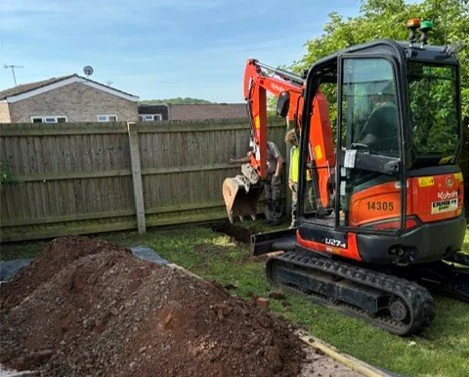
Undertaking site surveys
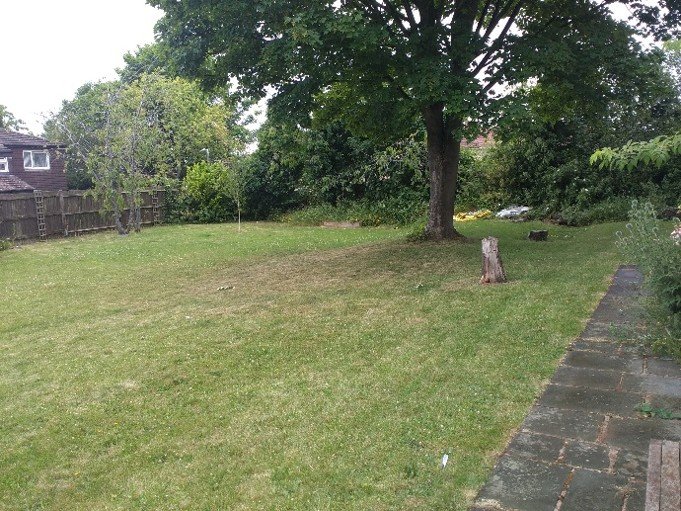
The garden initially (1)
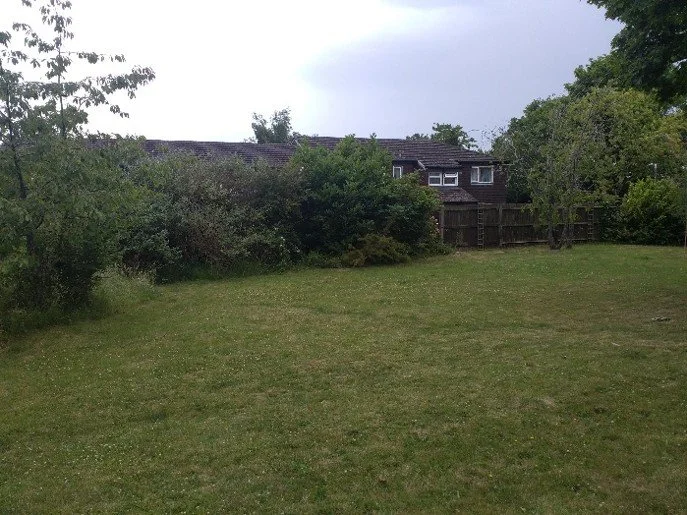
The garden initially (2)
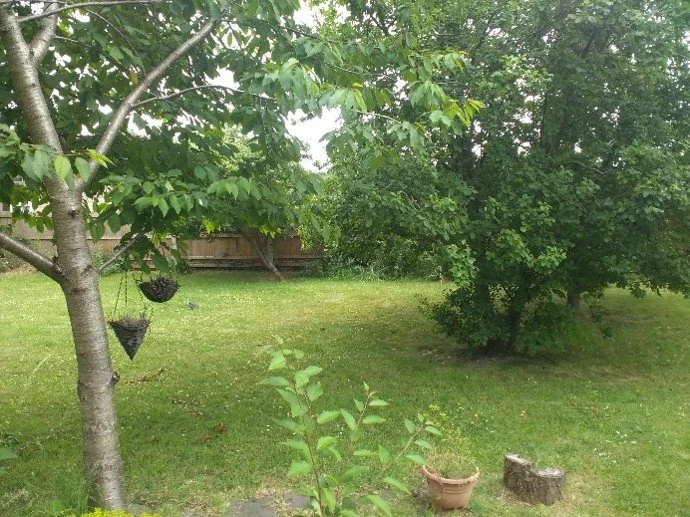
The garden initially (3)
-
Support from AC Housing Project
The Housing Project team were able to support the CIO by providing initial advice on business planning and potential external funding avenues. They connected the CIO with Zed Pods and helped to arrange a visit to a completed MMC development in Sheffield to learn more about the housing model and costs.
Later, the Housing Project Team reviewed the planning officer’s initial recommendation to refuse planning permission and advised the CIO on appropriate next steps to address the officer’s concerns. Following the change in the officer’s recommendation, the team advised how the grant scheme could support the subsequent work to secure permission.
The CIO then applied for a grant from the Housing Project via the PCC of St Wulfstan Church, one of three supporting parishes, for these elements:
· £1500 to support the cost of issuing new design drawings to the council
· £4182 to investigate the site by digging trial trenches and to have a Structural Engineer inspection.
The grant was awarded in March, and the work proceeded. The amended application documents were submitted on 10/6/26 and on 26/6/26 full planning permission was granted.
-
Next steps
The CIO are currently putting together their business plan. After investigating various Modular Building Companies, the trustees have agreed to appoint Etopia to provide the basic insulated framework.
They have appointed an architect to complete building drawings so that the rest of the project can be put out to tender and they have been in communication with National Grid and Severn Trent over water, sewage and electric connection.
Once all figures are in, they will distribute the Business plan to all possible interested parties. The approximate cost of the Project is in the region of £450,000 and the Charity has raised over £120,000 to date. They are looking to raise finance through grants, donations, interest-free loans, mortgage finance and partnerships with housing organisations.