New Towns, the Church and Placemaking
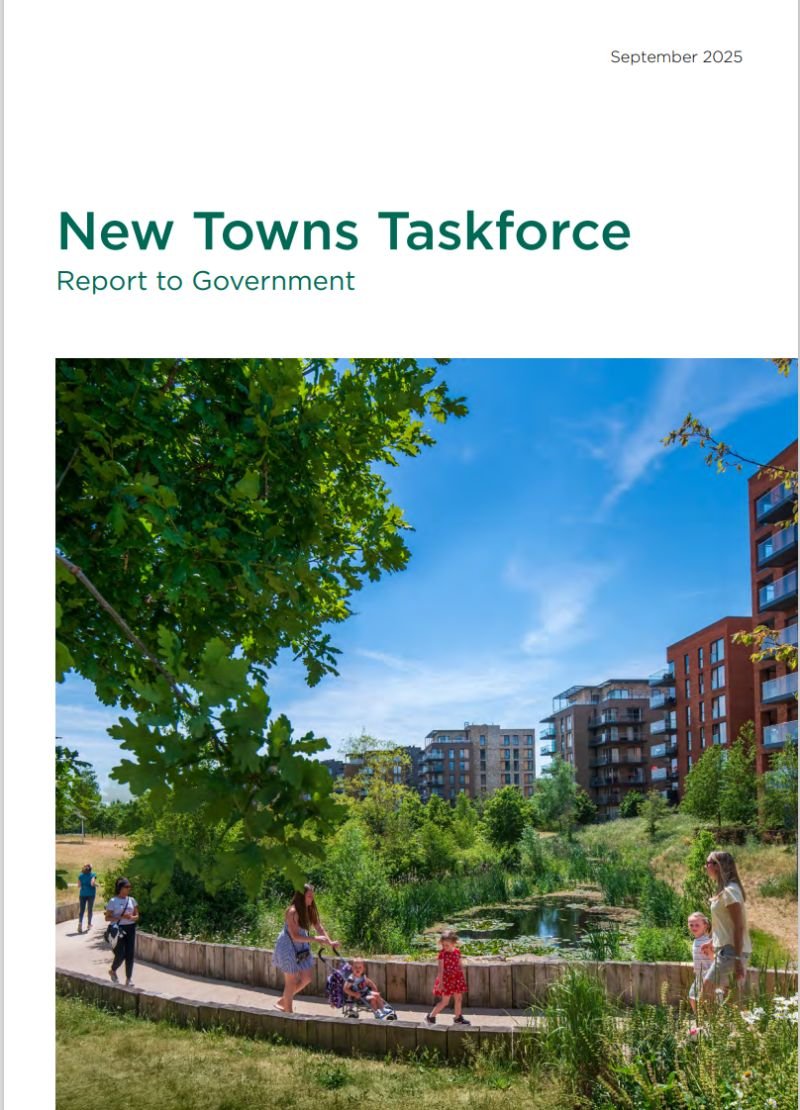
The Church of England’s lead Bishop for Housing has welcomed the government’s New Towns Task Force report, published on 28th September. “While this is not going to solve the housing crisis, it does create an opportunity to build thriving new communities we can be proud of, where decent, affordable homes are available for people struggling to find adequate housing, alongside green spaces and good public services,” said Bishop Guli Francis-Dehqani.
Speaking at the Forum for Church Housing meeting in Somers Town, St Pancras, where the priest and social housing pioneer Fr. Basil Jellicoe laboured 100 years ago, Bishop Guli emphasised, “By insisting that new towns are not just about delivering housing supply, but creating communities where people are connected with each other and rooted in a geographical place, we will avoid building soul-less developments which can be the result of chasing housing targets at any price.”
The Church of England is well placed to help shape these new communities, with its mission to provide a Christian presence in every locality. For centuries, local churches have been multi-purpose hubs that connected and served people living in the parish. They continue to play an important role in providing social and practical support to their neighbourhoods, for example by offering meeting spaces for community groups, hosting food hubs, debt advice services or other types of support. And the Church’s network of over 4,600 schools, serving people of all faiths and none, shows how its mission to the whole nation has developed and grown as local needs have changed.
Since the Archbishops’ Housing Commission published the Coming Home report, housing is increasingly on the agenda of parishes and dioceses. A new Church Housing Association has been registered to work alongside the Church Development Agency to provide affordable homes on Church land. A programme offering advice and grants of up to £25,000 is also helping dioceses and parishes explore how they can provide new homes for people in housing need.
“When it comes to new towns, there’s a fantastic opportunity for the Church to be one of the anchor institutions that contribute to placemaking,” added Bishop Guli. “If the Church is able to provide schools, social housing, perhaps even retirement communities, alongside neighbourhood chaplains who can welcome new residents and help manage community centres, we can help foster that crucial sense of connection and belonging which people associate with home.”
All this would be done alongside other community and faith groups. “The Church’s approach is inherently inclusive,” stressed Bishop Guli, who was born in Iran and came to England with her family as a refugee when she was just 13. “Jesus gave his followers their mission: to love God and love their neighbours as themselves – especially those who are outsiders or feeling left behind. The Church doesn’t just see this as a service to be provided – it’s a lifestyle to be lived out, by people who are deeply committed to the welfare of their new town and the wellbeing of their neighbours.”